
Introduction to Sourdough Bread Recipe
Why Sourdough?
Lately, homemade bread has reigned supreme in the world of culinary adventures, with sourdough bread leading the charge. But what’s the big draw? Sourdough harnesses the power of wild yeast and natural fermentation, creating a uniquely tangy flavor and a delightful crust that store-bought breads simply can’t match. Plus, the health benefits are hard to ignore. Studies show that sourdough may be easier to digest compared to regular bread, thanks to its prolonged fermentation process that breaks down gluten.
Whether you’re a novice baker or someone looking to refine your skills, making sourdough at home is a satisfying journey. All it takes is a few simple ingredients, a bit of patience, and you’ll be rewarded with a loaf that’s as beautiful as it is delicious.
The Rise of Homemade Bread
With the surge in homemade bread baking, especially during the past few years, many have discovered the joys and sense of accomplishment that comes with creating something from scratch. Picture this: the aroma of freshly baked sourdough wafting through your kitchen as you slice into a crusty loaf, revealing a tender crumb. It’s more than just a meal; it’s a labor of love. So roll up your sleeves, and let’s dive into this easy-to-follow sourdough bread recipe! For more tips and tricks, you can check out this guide on sourdough basics.
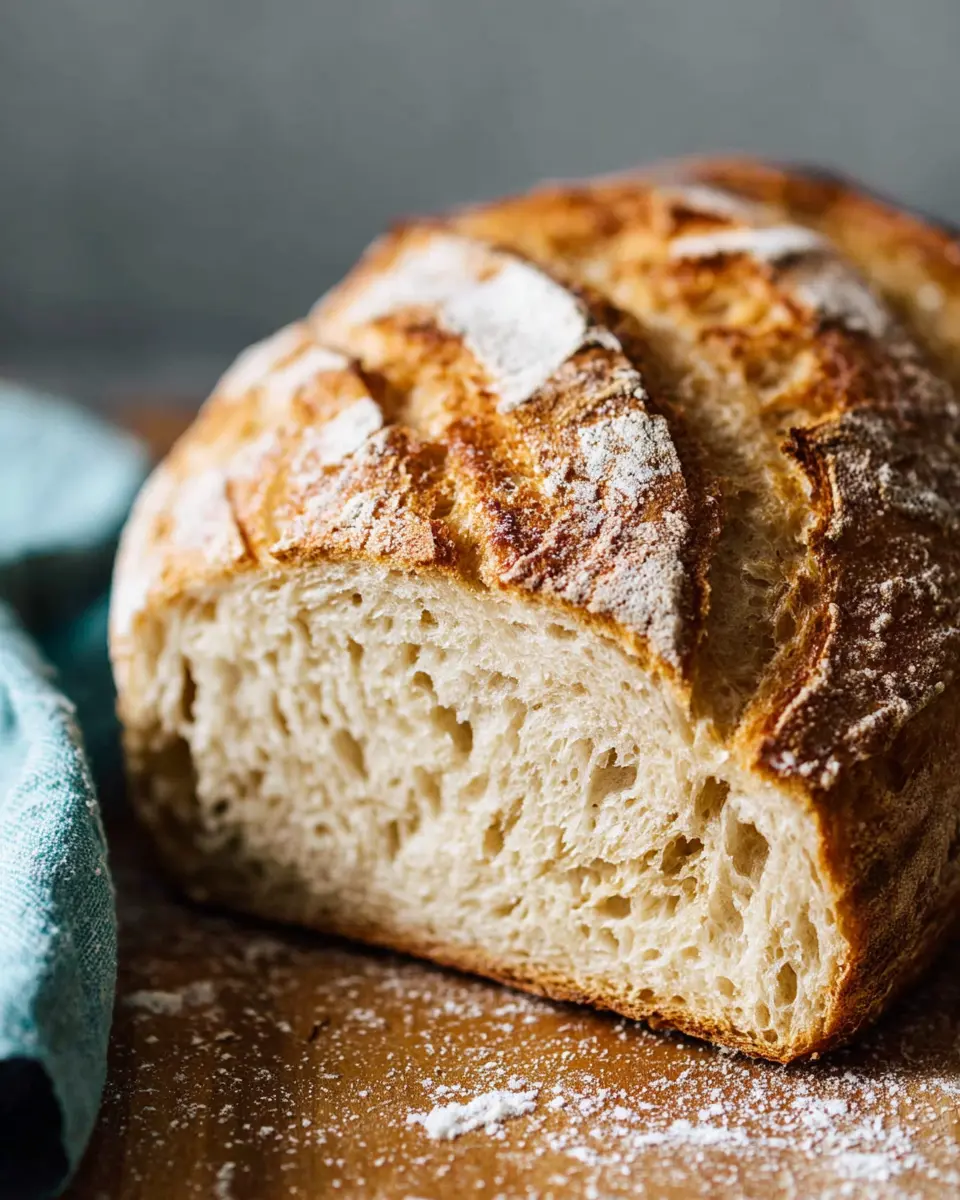
Ingredients for Sourdough Bread
Essential ingredients for your perfect loaf
To whip up a delicious sourdough bread recipe, you'll need just a handful of essential ingredients that work together to create a delightful and airy loaf:
- Active starter: ⅔ cup (150 g) of bubbly, fed starter is crucial for that signature tang and rising power.
- Warm water: 1 ⅓ cups (315 g) at about 90°F helps activate your starter.
- Olive oil: 1 ½ tablespoons (18 g) add richness.
- Bread flour: 3 ⅔ cups (450 g) is the backbone of your loaf, giving it structure.
- Table salt: Just 2 teaspoons (13 g) enhances flavor.
- Oil or butter: For greasing your pan, helping to release the bread smoothly post-bake.
Optional tools to enhance your sourdough experience
While you can make amazing bread without any special gadgets, consider these helpful tools for an elevated sourdough bread recipe experience:
- Mixing bowls: Ideal for combining your ingredients efficiently.
- Loaf pans: Get two for shaping your dough perfectly.
- Bench scraper (optional): Makes handling the dough cleaner and easier.
- Bread lame: A handy tool for scoring your loaf, ensuring a beautiful rise while baking.
Using these ingredients and tools will transform your kitchen into a mini-bakery. For more details, check out resources like King Arthur Baking or The Perfect Loaf for in-depth tips and inspiration!
Preparing Sourdough Bread: Step-by-Step
Making sourdough bread at home can be a delightful experience, and with this sourdough bread recipe, we're breaking down the process into easy-to-follow steps. Let’s dive in!
Combine the ingredients
In a large mixing bowl, start by combining your active sourdough starter, warm water, and olive oil. Stir these ingredients until they come together. Next, add the bread flour and sprinkle the salt over the top. Using clean hands or a wooden spoon, mix until everything is mostly combined. Don’t worry if it looks shaggy! There shouldn’t be any dry patches of flour left, but the dough doesn't need to be completely cohesive at this stage.
Autolyse for better texture
Cover the bowl with plastic wrap and let it sit undisturbed for about an hour. This resting period is called the autolyse. It allows the flour to absorb the water and begin developing gluten structure, resulting in a better texture and enhanced flavor.
Stretch and fold method explained
After the autolyse, turn the dough out onto a lightly floured surface. Form the dough into a ball, and with cool, wet hands (to prevent sticking), stretch the top of the dough over to the bottom. Rotate it 90 degrees and repeat this process four times. Rest the dough covered for 30 minutes, then repeat the stretching every half hour until the dough has increased by 80%—this usually takes about 4 to 6 hours, depending on your kitchen temperature.
Forming the dough
Once your dough has risen sufficiently, lightly grease a loaf pan. Gently deflate the dough and pat it into a rectangle on a floured surface. Fold in the sides toward the center, then roll it up tightly starting from one end. Transfer it into the prepared loaf pan and cover it tightly with plastic wrap. This step is crucial! Refrigerate it to rest overnight, giving the flavors time to develop (anywhere from 12 to 48 hours is ideal).
The overnight rest in the fridge
Letting the dough rest in the fridge allows the fermentation to continue slowly, enhancing the flavor and structure. It also makes it easier to shape the loaf and create that lovely crust.
Preheating the oven and scoring the dough
When you’re ready to bake, remove the dough from the fridge and preheat your oven to 450°F (230°C). Let it rest while the oven heats, around 30 to 35 minutes. Uncover your dough and make a clean slash down the center with a sharp knife or a bread lame—it’s time to score!
Baking your beautiful sourdough
Transfer your loaf to the center rack of the preheated oven, covered with another loaf pan or aluminum foil to create steam. Bake for about 30 minutes covered, then remove the lid and continue baking for another 20 to 23 minutes until the loaf is golden brown and sounds hollow when tapped.
Once your fantastically aromatic homemade sourdough bread is out of the oven, let it cool in the pan for 10-15 minutes before transferring it to a cooling rack. Patience is key—let it cool completely before slicing.
With these detailed steps, you'll be well on your way to mastering this delightful sourdough bread recipe! Enjoy the incredible journey of baking and the satisfaction of crafting a loaf that’s not just delicious but also lovingly homemade.
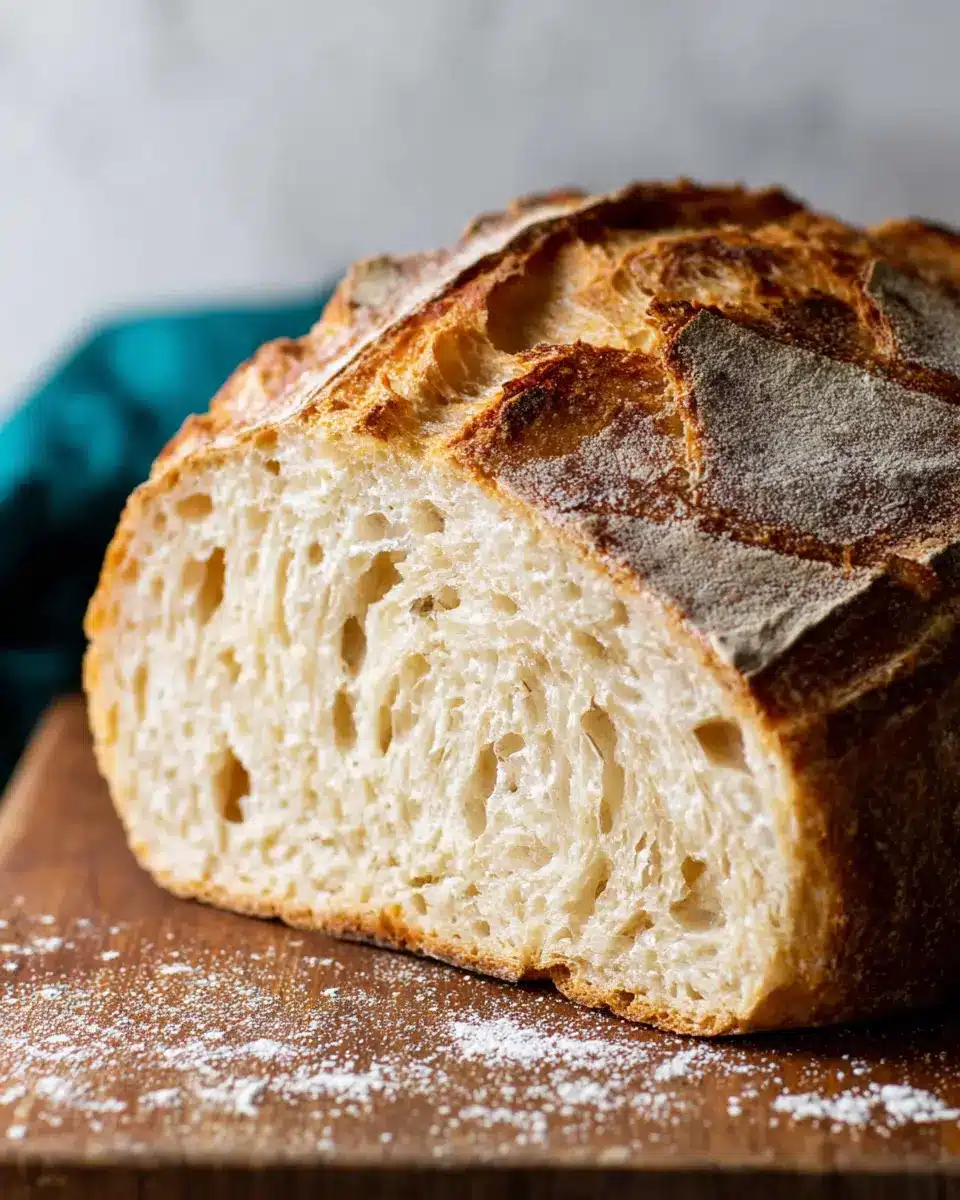
Variations on Sourdough Bread
Exploring different variations of your sourdough bread recipe can elevate your baking game. Here are two delightful options to consider:
Whole Wheat Sourdough
Whole wheat sourdough incorporates nutritious whole wheat flour, giving your bread a hearty flavor and added nutrients. It retains the same basic recipe but simply replaces a portion of the bread flour with whole wheat. You can start with 50% whole wheat and adjust to suit your taste. The result? A denser and more rustic loaf, perfect for sandwiches or toast!
Seeded Sourdough
For an exciting texture and flavor boost, try a seeded sourdough. Add a mix of seeds—like sunflower, sesame, or flax—during the dough mixing stage. Aim for about ¼ cup of seeds, and experiment with various combinations to find your ideal mix. This variation not only enhances the taste but also packs in additional nutrients, making your bread even more satisfying.
Learn More
For more inspiration, check out King Arthur Baking or The Fresh Loaf for tips on enhancing your sourdough experience!
Baking Tips and Notes for Sourdough
Essential sourdough bread baking tips
Baking sourdough can feel like a delicious art form! Here are some tips to elevate your loaves:
- Starter Health: Ensure your starter is active and bubbly for optimal rise. Feed it 4-8 hours before using.
- Autolyse Period: Never skip this step; it enhances gluten development. A stronger dough leads to better texture.
- Temperature Control: Work in a warm, draft-free area for consistent fermentation.
For more detailed guidance, check out resources like the King Arthur Baking Company or The Fresh Loaf.
Common troubleshooting for perfect loaves
If your sourdough isn't turning out as expected, don’t worry! Here are quick fixes:
- Flat Loaf: If your bread is too flat, your starter may be weak or the dough under-proofed.
- Crust Too Hard: Adjust oven temperature or baking time; too high can lead to an overly tough crust.
- Dough Sticking: Keep your work surface well-floured while shaping; a bench scraper can help with stubborn dough!
With patience and practice, you’ll soon master your sourdough bread recipe. Happy baking!
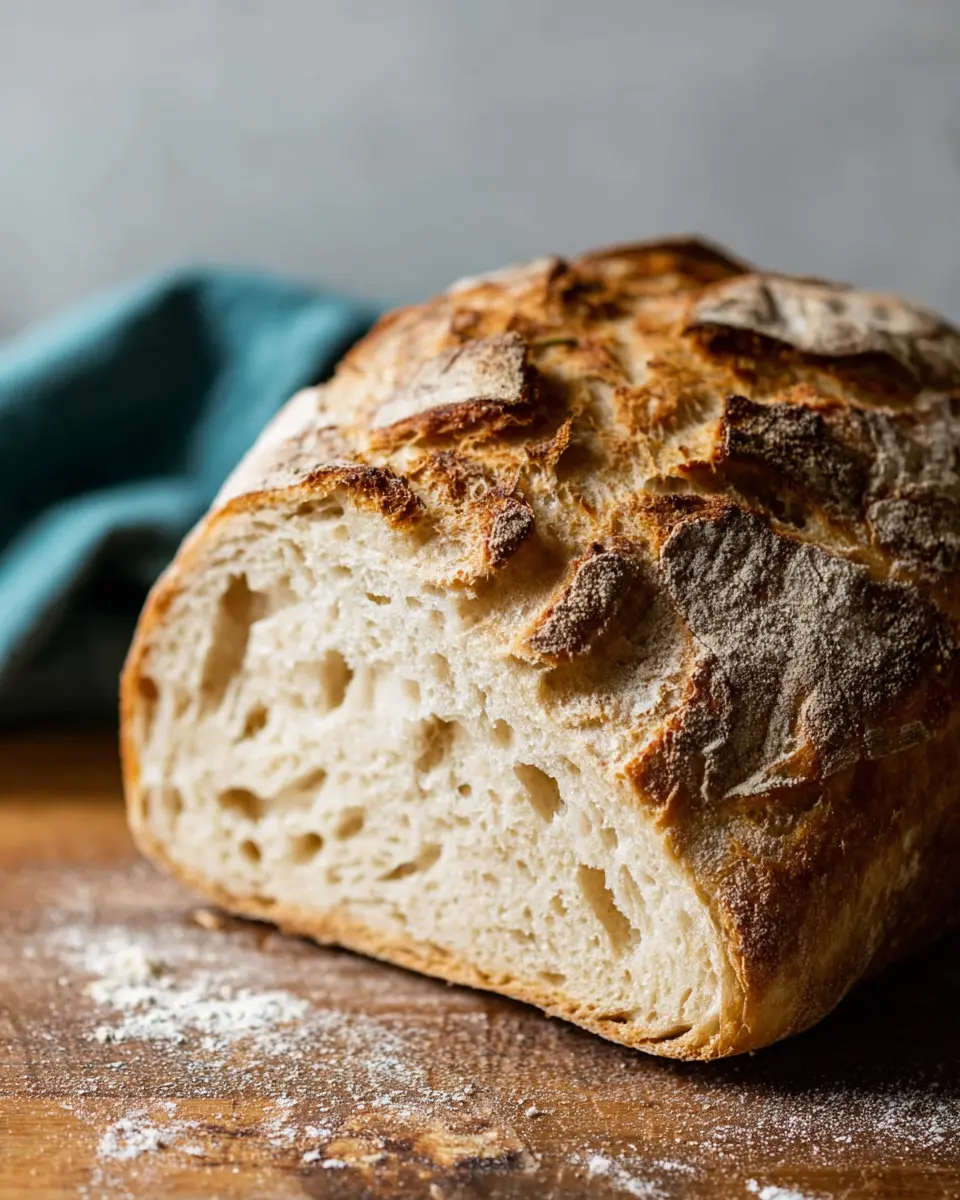
Serving Suggestions for Sourdough Bread
Perfect pairings for your fresh sourdough
Freshly baked sourdough bread is a treat, and what better way to enjoy it than with some perfect pairings? Try topping your slices with creamy avocado and a sprinkle of sea salt for a healthy breakfast. Another delightful option is a classic Turkey Bacon sandwich with crisp greens and tangy mustard. If you're feeling adventurous, spread some herbed goat cheese for a gourmet touch, or simply dip your bread in quality olive oil mixed with balsamic vinegar—it's divine!
Creative uses for leftover sourdough
Don't let leftover sourdough go to waste! Transform your extra bread into scrumptious croutons by cubing and toasting them with herbs, perfect for salads or soups. Alternatively, whip up a rich bread pudding for a delightful dessert. For a savory snack, consider making sourdough crumpets by griddling slices until golden and crispy. You can even blend stale pieces into breadcrumbs for coatings or fillings. The possibilities are endless and delicious!
For more delicious ideas, check out The Kitchn's Sourdough Guide.
Time Breakdown for Sourdough Bread
Preparation Time
This sourdough bread recipe kicks off with about 30 minutes of prep work. You'll be mixing your active starter with water and oil, followed by a bit of hands-on kneading. It’s a great time to chat or listen to a podcast while you work!
Resting Time
Patience is key! After your initial mixing, let your dough rest for about 4 to 6 hours. During this time, you’ll stretch and fold every 30 minutes, allowing the dough to rise beautifully. Wrapping it up in plastic lets it settle in without distractions. If you're curious about timing, check out this guide on Bread Fermentation for more insights!
Baking Time
Once your dough is ready, baking will take about 50 to 60 minutes. The first 30 minutes will be covered, creating a steamy environment, perfect for that crispy crust. After uncovering, let it turn golden for another 20 to 23 minutes. What could be more satisfying than the aroma filling your kitchen?
Enjoy your homemade sourdough when it’s all done—waiting for it to cool might just be the hardest part!
Nutritional Information for Sourdough Bread
Calories per serving
A single serving of this delightful sourdough bread recipe contains approximately 182 calories. Whether you enjoy it toasted with avocado or paired with a warm bowl of soup, you can savor each slice without guilt.
Fiber content and health benefits
Each serving packs 12 grams of dietary fiber, contributing to heart health and aiding digestion. Incorporating fiber into your diet not only promotes satiety but also supports a healthy gut. According to the American Heart Association, a fiber-rich diet can lower cholesterol levels and reduce the risk of heart disease. So, enjoy your sourdough knowing it’s not just delicious but also beneficial for your well-being!
FAQs about Sourdough Bread
How can I keep my sourdough bread fresh?
To keep your sourdough bread fresh, store it in an airtight container at room temperature for up to a week. Alternatively, wrapping the loaf in a clean kitchen towel can also work, as it allows the bread to breathe without becoming too dry. Avoid refrigeration, as this can actually make the bread stale faster. If you’re not diving into that loaf right away, consider freezing it.
Can I freeze sourdough bread?
Absolutely! Freezing is a great option to extend the life of your sourdough bread recipe. Wrap the whole loaf tightly in plastic wrap, then in foil to prevent freezer burn. For added convenience, slice the bread first and store it in a plastic Ziploc bag, removing as much air as possible. Thaw by keeping it covered at room temperature.
What should I do if my bread doesn’t rise?
If your bread doesn’t rise, check the viability of your sourdough starter; it should be bubbly and active. Also, ensure you’re allowing enough time for fermentation and that the dough is in a warm environment. Consider extending the rising time or moving it to a warmer spot to encourage activity. Patience is key in bread-making!
For even more insight, check out resources on sourdough science here.
Conclusion on Sourdough Bread Recipe
Baking this sourdough bread recipe is both an art and a science, offering a delightful journey of fermentation and flavor. Each bite reveals the rich, tangy notes of sourdough, a testament to your patience and care. So, gather your ingredients, enjoy the process, and savor the rewards!
For more baking tips, check out resources like King Arthur Baking and The Fresh Loaf for community support and expert advice. Happy baking!
Sourdough Bread Recipe
Equipment
- mixing bowls
- 2 loaf pans
- Bench scraper (optional)
- Bread lame (optional, or use sharp knife)
Ingredients
Dough ingredients
- 150 g active starter bubbly, active, fed
- 315 g warm water 90F
- 18 g olive oil
- 450 g bread flour
- 13 g table salt
- Oil or butter for greasing pan
- Additional flour for dusting work surface
Instructions
Make the dough
- In a large mixing bowl, combine sourdough starter, water, and olive oil. Stir until combined.
- Add bread flour and sprinkle the salt overtop. Use your (clean) hands or a wooden spoon to stir together until dough is mostly combined.
- Cover bowl with plastic wrap and let sit undisturbed for one hour (this is the 'autolyse' period).
Stretch & Fold
- Form dough into a ball with your hands.
- Run your hands under cool water and grasp the top of the dough and stretch it over the bottom. Turn the dough 90 degrees and repeat. Repeat again, then once more (four total stretch & folds).
- Allow dough to rest, covered, in a warm place for 30 minutes.
- Repeat previous step every 30 minutes as dough rises.
- Allow dough to rise until it has increased in size about 80%.
Forming the Dough
- Lightly grease a 9×5 loaf pan with olive oil or butter.
- When dough has risen sufficiently, turn it out onto a clean, lightly floured surface.
- Gently deflate the dough and pat it into a rectangular shape. Fold the dough inwards as if closing a book.
- Starting with a skinny end, tightly roll the dough and tuck the ends under.
- Cover pan tightly with plastic wrap and refrigerate to rest overnight/for 12-48 hours.
Baking
- Remove the sourdough from the refrigerator and preheat your oven to 450F (230C). Allow the dough to rest while the oven preheats for at least 30-35 minutes.
- Once oven has preheated, uncover bread, make a clean slice down the center, and cover with another pan.
- Transfer to center rack of preheated oven. Bake, covered, for 30 minutes then remove the lid and continue to bake another 20-23 minutes.
- Allow bread to cool in pan for 10-15 minutes before turning it out onto a cooling rack.




Leave a Reply