
Introduction to Italian Pizza Dough Recipe
The Joy of Making Pizza at Home
There's something incredibly satisfying about crafting your own pizza from scratch, and it all begins with a stellar Italian pizza dough recipe. Imagine the aroma of fresh dough rising in your kitchen as you prepare to top it with your favorite ingredients. Making pizza at home isn’t just about the food; it’s an experience that brings friends and family together.
Using high-quality flour like Tipo 00 or all-purpose flour ensures a crispy yet chewy crust that can compete with any pizzeria. With just a few simple ingredients—flour, yeast, salt, water, and olive oil—you can create a base that’s customizable to your heart's content. According to Serious Eats and other culinary experts, good dough is the foundation of great pizza.
So, roll up your sleeves and prepare to discover the magic of homemade pizza. The process might seem intimidating at first, but it's as much about enjoying the journey as it is about the delicious end result. Who doesn’t love the satisfaction of serving up a hot, fresh pizza while sharing laughter and stories with loved ones? Let’s dive into the recipe that will transform your pizza nights forever!
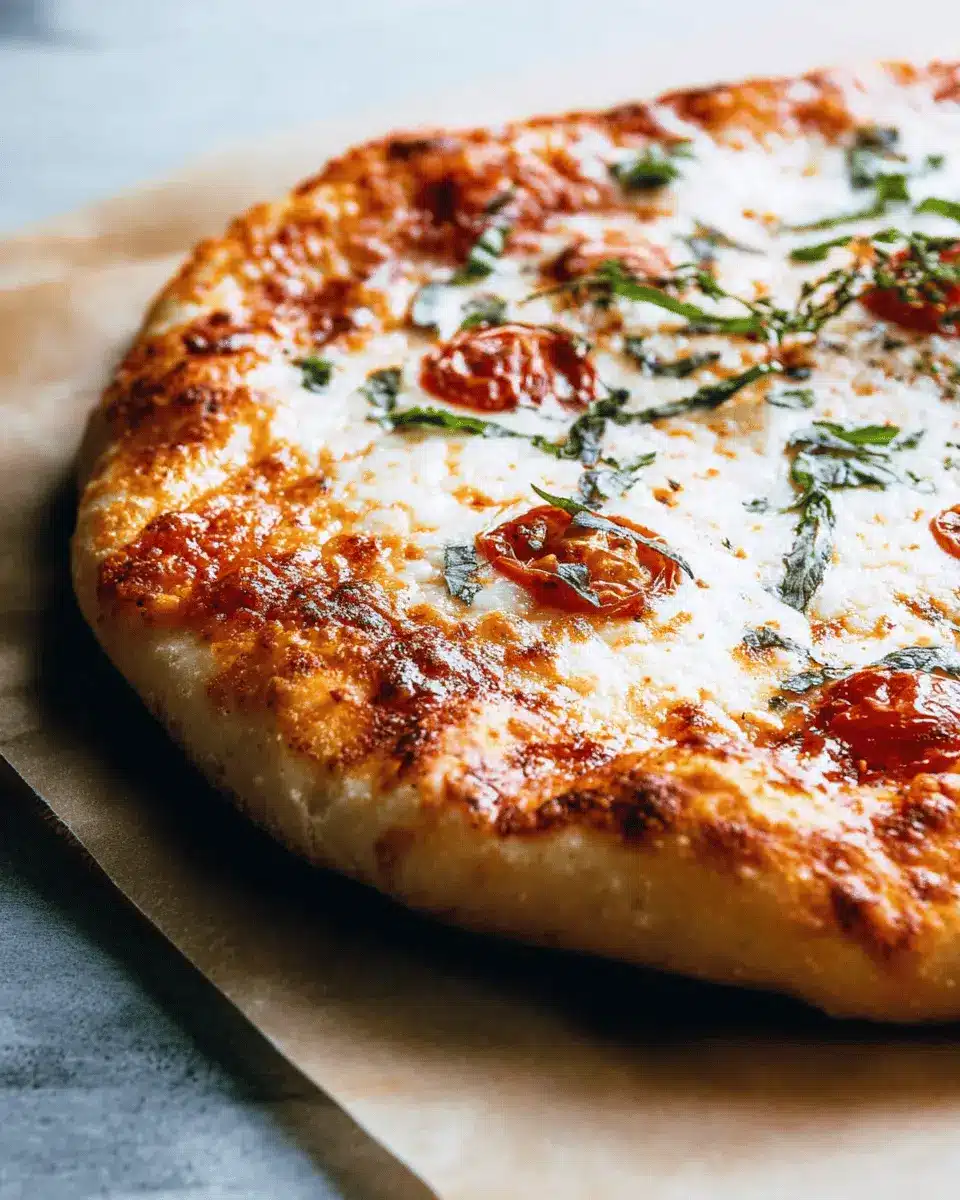
Ingredients for Italian Pizza Dough
Creating a delicious Italian pizza starts with perfect dough. Before diving into the Italian Pizza Dough Recipe, let's explore the essential ingredients and tips for selecting the best ones.
Essential Ingredients for the Perfect Dough
To achieve that ideal crust, you'll need:
- Tipo 00 or All-Purpose Flour: This high-protein flour gives you the chewiness and texture pizza lovers adore.
- Instant or Active Dry Yeast: This is the magic agent for leavening. Choose whichever is more convenient for you.
- Kosher Salt: A must for flavor! It balances the sweetness of the dough.
- Warm Water: Activates the yeast. Ensure it’s not too hot!
- Olive Oil: Adds richness and helps to create a beautifully crisp crust.
Tips for Ingredient Selection
When shopping for your ingredients, consider their quality. For flour, Tipo 00 is preferred because it mimics the flour used in traditional Italian pizzerias. If that's unavailable, go for a high-quality all-purpose flour. Look for fresh yeast—check the expiration date to ensure optimal performance. Using good quality olive oil can elevate the flavor significantly, so treat yourself to a nice bottle!
Remember, fresh ingredients are key to a delightful pizza experience. Happy baking!
Step-by-step Preparation of Italian Pizza Dough
Making Italian Pizza Dough from scratch is a rewarding experience, and once you've mastered it, you'll be able to whip up a delicious homemade pizza whenever the craving strikes. Let's dive into the preparation steps.
Combine dry ingredients
Start by gathering your ingredients. In a large bowl or the bowl of a stand mixer, combine 500 grams of Tipo 00 or all-purpose flour, 8 grams of instant or active dry yeast, and 7 grams of kosher salt. The flour you choose is crucial for that perfect pizza texture—Tipo 00 gives a nice elasticity that will keep your crust delightfully chewy. Stir until the ingredients are well-blended.
Create the dough
Now, add 338 grams of warm water and 13 grams of olive oil to the mixture. Mix them all together until a ragged texture starts to form. Once everything is combined, turn it out onto a floured surface — you’re almost there!
Knead the dough
Here comes one of the most fun parts! Knead the dough for about 8 minutes. Use the base of your palm to push, fold, and shape it into a ball. The goal is to achieve a smooth, stretchy texture. If things get too sticky, sprinkle a little flour on top, but be careful not to overdo it.
Shape the dough into boules
Once you've kneaded the dough, divide it into three equal pieces. Gently shape each piece into a boule (a round ball) by folding the edges under. This is also a great opportunity to practice your dough-handling skills! Place each boule on a floured surface and lightly dab with olive oil to keep them moist. Cover with a damp towel to retain warmth, and let them rise until doubled in size, which should take about 45 minutes to an hour.
Allow the dough to rise
After the boules have risen, you can use them immediately. However, for a more flavorful experience, consider letting them rest in the refrigerator for 2 to 3 days. This extra time enhances the flavor, turning your Italian Pizza Dough Recipe into something truly unforgettable.
Refrigeration for flavor enhancement
While the dough can be used right away, we highly recommend this step for the best results. When ready to use, remove the dough from the fridge and let it come to room temperature on a floured surface for 30 to 45 minutes before stretching.
Preparing for baking
As you preheat your oven to a sizzling 500°F, prepare your pizza peel by dusting it with cornmeal or semolina flour. This step ensures your pizza slides right off when it's time to bake.
Stretch the dough to the desired shape
Here’s where you can let your creativity shine. Place your dough on the pizza peel and gently stretch it into a circle. If you’re unsure how to do this, don’t worry! You can follow useful guides online on How to Stretch Pizza Dough. Keep it light and easy—you want about an 11-inch diameter. Allow time for the dough to relax if it resists stretching.
Baking the perfect pizza
Once your oven is preheated, it’s time to bake. Transfer the pizza to the stone and let it cook for 5 to 7 minutes. The result? A golden, crispy crust that’s perfect for whatever toppings your heart desires.
With just a bit of patience and practice, you'll be creating mouthwatering pizzas that could rival your favorite pizzeria! Enjoy the process, and don’t forget to invite friends over for a pizza night.
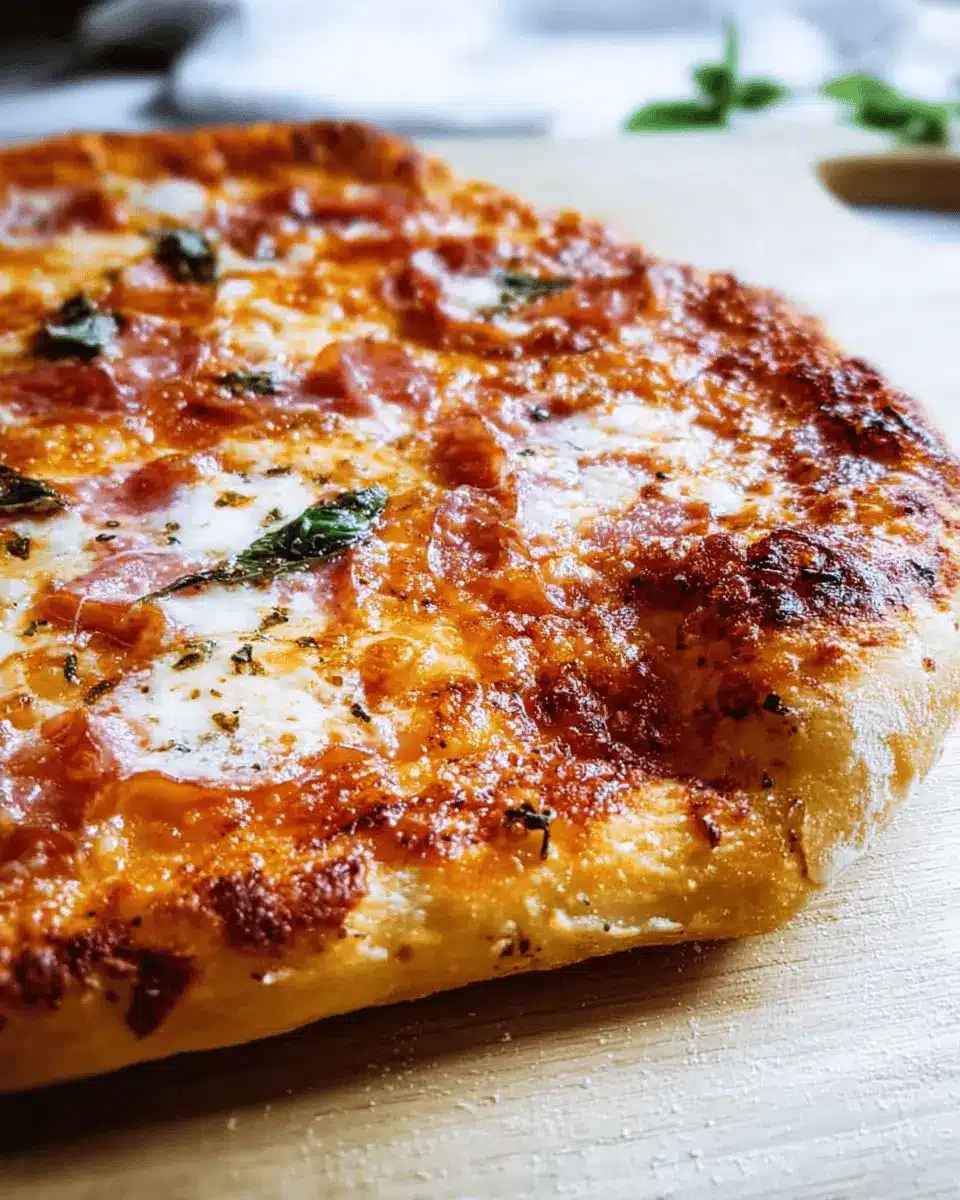
Variations on Italian Pizza Dough
Whole Wheat Pizza Dough
For a healthier twist on your Italian pizza dough recipe, try using whole wheat flour instead of white flour. Whole wheat provides a nuttier flavor and a boost of fiber, making your pizza a little more wholesome. The ratio can be adjusted; for every 500 grams of flour, substitute up to half with whole wheat. Just remember to hydrate the dough a bit more, as whole wheat absorbs more moisture. This alternative is perfect for those who want to enjoy pizza without sacrificing nutrition!
Gluten-Free Pizza Dough Options
If you're navigating a gluten-free diet, there are excellent alternatives for your Italian pizza dough recipe as well. Many brands now offer gluten-free flour blends that work wonderfully. Look for blends containing a mix of rice flour, potato starch, and tapioca flour. Another great option is almond flour, which adds a delightful taste. Just be sure to read the packaging for specific ratios and instructions, as gluten-free dough can have different hydration requirements. Enjoy pizza night without restriction; it’s easier than ever!
Cooking Tips and Notes for Italian Pizza Dough
Best practices for dough consistency
Achieving the perfect Italian pizza dough recipe starts with the right consistency. When kneading, aim for a dough that feels soft and slightly tacky but not overly sticky. If it clings too much to your hands, sprinkle just a bit of flour as needed—balance is key! Remember, using high-quality Tipo 00 flour can make a significant difference in texture and flavor.
Common pitfalls to avoid
One frequent mistake is skipping the resting time. Allowing your dough to rise adequately is crucial for flavor development. Patience pays off! Also, be cautious not to overwork the dough when stretching it; if it resists, let it rest for a few minutes before trying again. You want a lovely, airy crust, not a tough one! For additional insights, consider checking out this guide on pizza dough.
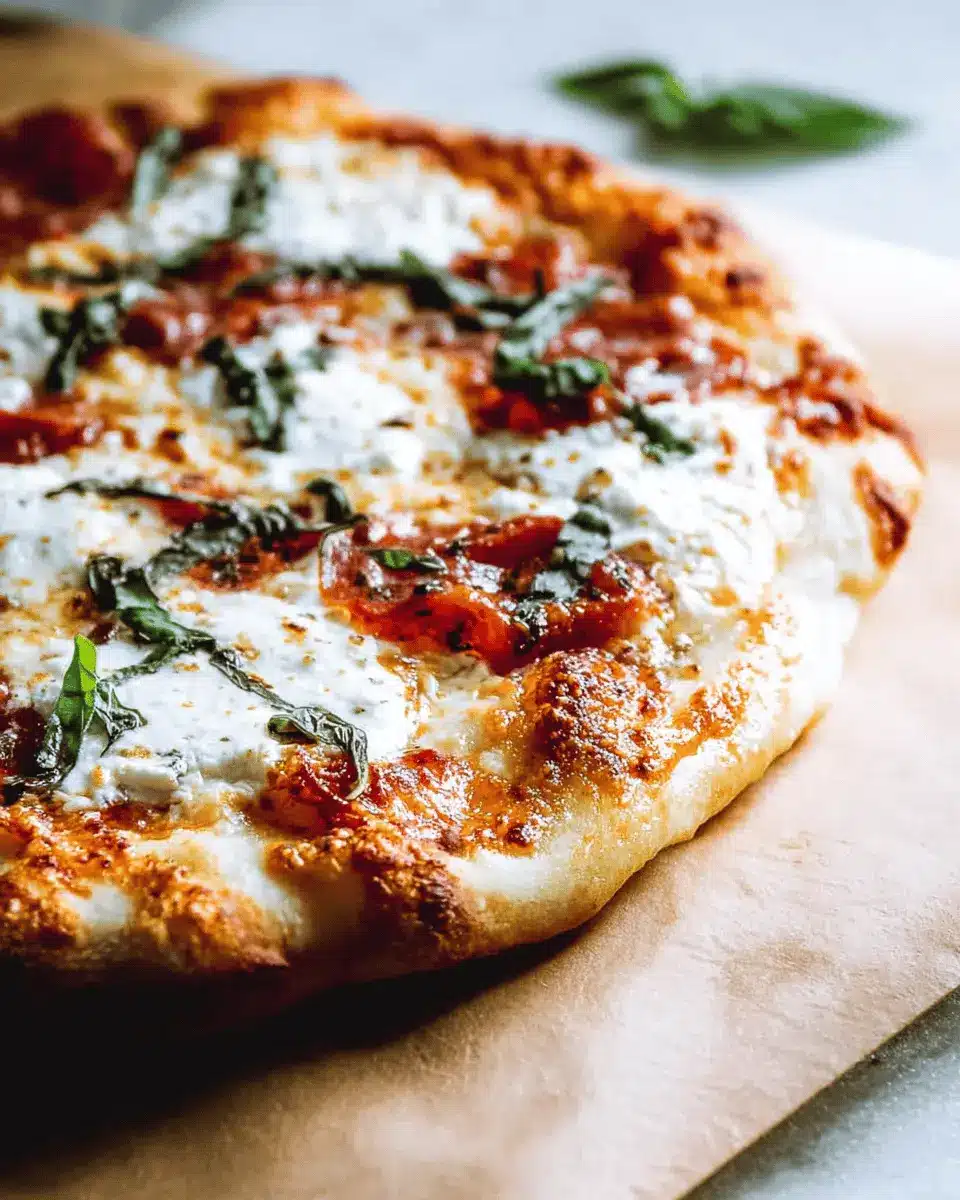
Serving Suggestions for Italian Pizza
Classic Topping Combinations
When it comes to Italian pizza, certain toppings never go out of style. For a traditional experience, consider these classic combinations:
- Margherita: Fresh mozzarella, ripe tomatoes, and basil.
- Pepperoni: Spicy pepperoni slices paired with mozzarella and a dash of oregano.
- Four Cheese: A melty mix of mozzarella, gorgonzola, parmesan, and goat cheese.
These popular choices highlight the delightful flavors of your Italian pizza dough recipe and transport you straight to a bustling pizzeria in Italy.
Creative Topping Ideas
If you're feeling adventurous, why not try some unique toppings? Experimenting can lead to delicious discoveries! Here are a few creative ideas:
- Turkey Bacon & Avocado: Crispy turkey bacon topped with avocado slices and a sprinkle of fresh cilantro.
- BBQ Chicken: Shredded chicken ham with barbecue sauce, red onions, and cilantro.
- Mediterranean Veggies: A blend of roasted bell peppers, artichokes, and olives with feta cheese.
These unexpected combinations will take your pizza night to a whole new level, proving that there are endless possibilities with your homemade dough! For more inspiration, check out this resource on gourmet pizza toppings. Enjoy experimenting!
Time Breakdown for Italian Pizza Dough
Preparation time
Getting your ingredients together and mixing them up takes about 15 minutes. It’s a straightforward blend of flour, yeast, salt, water, and olive oil—simple yet satisfying!
Rising time
Once your dough is kneaded and shaped, allow it to rise for 45 minutes to 1 hour. If you’re aiming for that rich, complex flavor, refrigerating it for 2 to 3 days is the way to go!
Total time
In total, you're looking at about 1 hour and 15 minutes for immediate use. However, don’t forget that the dough benefits greatly from a longer fermentation for optimum flavor. Plan accordingly!
Want to learn more about the science behind pizza dough? Check out this insightful article on fermented dough for a deeper dive!
Nutritional Facts for Italian Pizza Dough
When making your Italian Pizza Dough Recipe, understanding its nutritional value can help you enjoy it even more. Here’s a quick breakdown:
Calories per serving
A standard serving of this dough has approximately 190 calories, making it a satisfying base for your favorite toppings without being overly indulgent.
Carbohydrates and protein content
Each serving contains about 32 grams of carbohydrates and 6 grams of protein. This delicious combination fuels your body while still bringing that classic pizza taste.
Sodium levels
With around 300 mg of sodium per serving, you can enjoy your pizza while keeping your salt intake in check. This is a modest amount, especially when considering the toppings you might add!
For more information on dietary needs, check out resources like the USDA’s Food Data Central. Embrace the joy of pizza-making while feeling good about what’s going into your meal!
FAQs about Italian Pizza Dough
What type of flour is best for pizza dough?
For the perfect Italian pizza dough, using Tipo 00 flour is your best bet. This finely milled flour provides a delightful texture and elasticity, crucial for achieving that classic Neapolitan-style crust. If Tipo 00 is elusive, all-purpose flour can also work well—just keep in mind the results may differ slightly in chewiness and crispness.
How long can I refrigerate the dough?
You can refrigerate dough from your Italian Pizza Dough Recipe for 2 to 3 days. Storing it in the fridge allows the flavors to develop, making your pizza taste even better! Just remember to place it in a sealed container to prevent it from drying out.
Can I freeze pizza dough for later use?
Absolutely! If you have extra dough, wrap it tightly in plastic wrap and place it in an airtight container before freezing. This way, you can enjoy homemade pizza anytime! Thaw it in the fridge overnight when you're ready to use it, and allow it to come to room temp before stretching. For more tips on freezing and storing dough, check out expert resources like Serious Eats and Food52.
Conclusion on Italian Pizza Dough Recipe
Creating the perfect Italian pizza dough is both an art and a science. With just a few quality ingredients and a bit of patience, you'll elevate your homemade pizza experience. Enjoy experimenting with toppings and baking methods—your culinary journey is just beginning. Buon appetito!
Italian Pizza Dough Recipe
Equipment
- Stand mixer
- bowl
- Pizza Peel
- Damp Towel
- Floured surface
Ingredients
- 500 grams Tipo 00 or all-purpose flour *
- 8 grams instant or active dry yeast
- 7 grams kosher salt
- 338 grams warm water
- 13 grams olive oil
Instructions
- Combine the flour, salt, and yeast in a bowl or the bowl of your stand mixer. Stir to combine. Add the water and olive oil and stir until a raggy dough forms. Turn the dough out onto a floured surface.
- Knead the dough by pushing with the base of your palm, then reforming it into a ball. Continue kneading for 8 minutes until the dough feels pillowy and has a smooth, stretchy exterior. If the dough is very sticky, add a small amount of flour while kneading. Alternatively: attach the dough hook to a stand mixer and start the mixer on medium-low speed, then allow the mixer to knead for 8 minutes.
- After the kneading is finished, divide the dough into 3 equal pieces. Using floured hands, gently shape each half into a boule (ball shape) by folding the dough under itself. Set each boule on a floured surface and dab the dough with a bit of olive oil to keep it moist. Cover all boules with a damp towel and allow them to rise until doubled in size, about 45 minutes to 1 hour.
- The dough can be used immediately. However for the BEST flavor, transfer the dough to separate sealed containers, large enough for the dough to double in size again, and store in the refrigerator for 2 to 3 days. (We always do this. But if you think ahead, it makes for a noticeably nutty, unique flavor that truly is the best homemade pizza dough you’ve ever had!) You can also freeze pizza dough you don’t plan to use the day of.
- If you’re using the dough after refrigerating: The day of serving, remove the dough from the containers, place it on a lightly floured surface covered with a towel, and allow it to come to room temperature before stretching, 30 to 45 minutes.
- When the oven is ready, dust a pizza peel with cornmeal or semolina flour. (If you don’t have a pizza peel, you can use a rimless baking sheet or the back of a rimmed baking sheet. But a pizza peel is well worth the investment!)
- Stretch the dough into a circle; see How to Stretch Pizza Dough or follow these instructions: To stretch the dough, place it on the pizza peel or a lightly floured surface and gently press it into a circle, flipping several times and adding a pinch of flour if it is too sticky. Once you have about an 8-inch circle, pick up the dough and gently drape it over the knuckles on both of your hands. Slowly rotate it around, allowing gravity to stretch it into a circle about 11 inches in diameter. Do not overwork or fold the dough. If the dough starts to resist stretching, put it down and allow it to rest for a few minutes, at which point it will stretch more easily.
- We bake our pizzas at 500F and use a pizza peel to transfer it to a preheated pizza stone in the oven: the bake time is around 5 to 7 minutes. See our pizza recipe posts for baking instructions.


Leave a Reply