
Introduction to Basque Cheesecake
What is Basque Cheesecake and why is it trending?
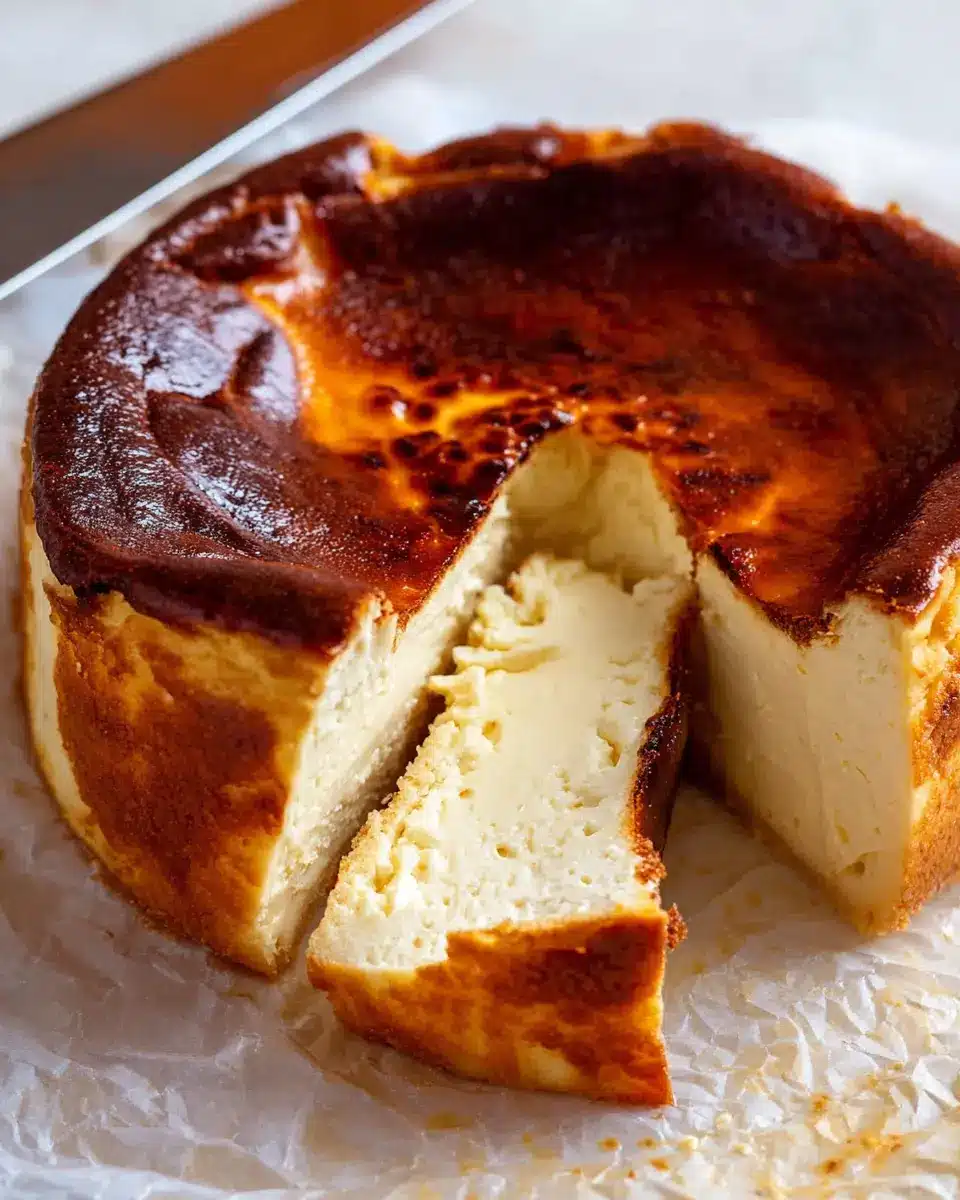
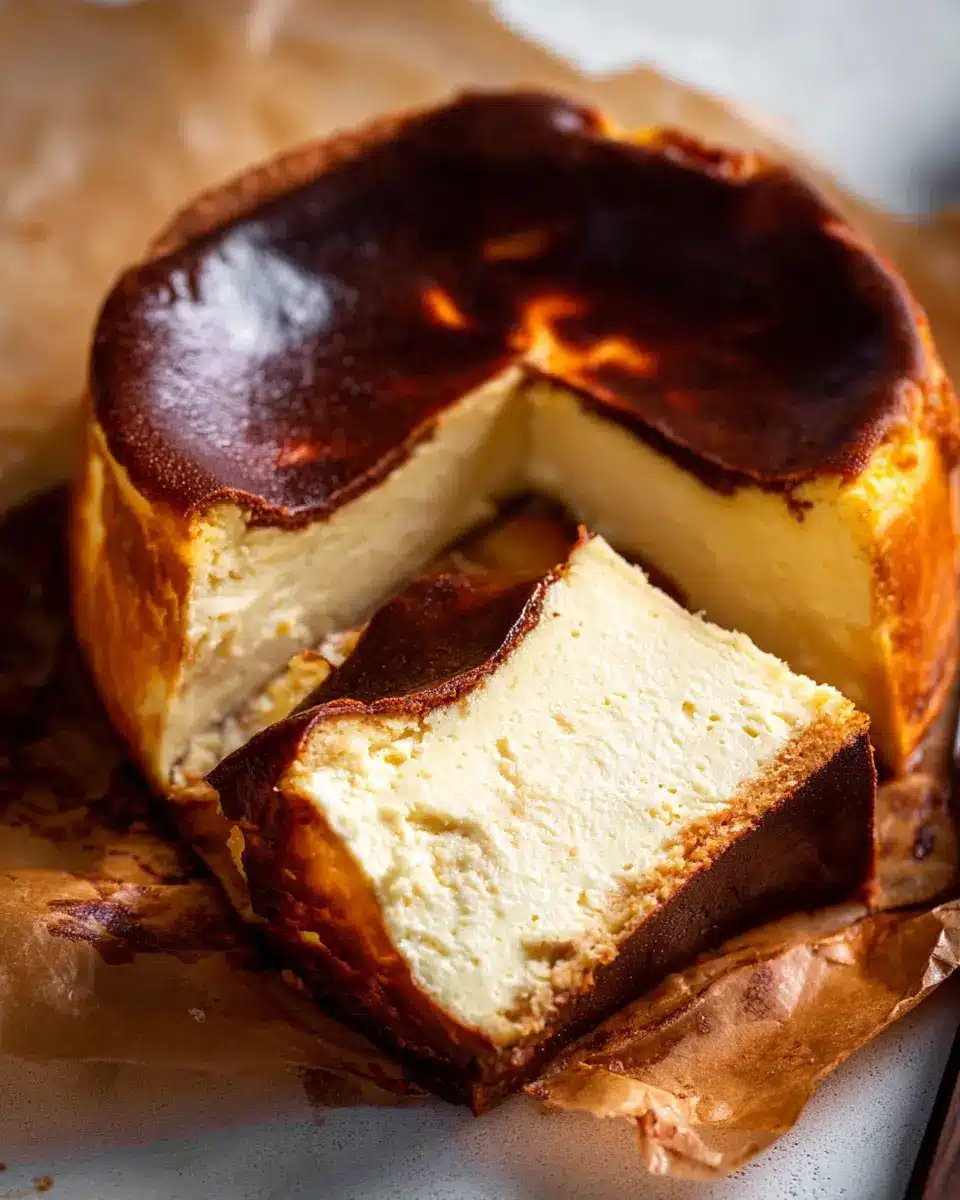
The Basque Cheesecake, often referred to as "burnt cheesecake," hails from the Basque region of Spain. Its unique charm lies in its caramelized top and silky creamy interior, making it a delightful contrast that’s visually striking and irresistibly tasty. Unlike traditional cheesecakes, which are often baked to a pale golden hue, this indulgent dessert showcases a rich, dark crust that gives it a rustic appeal.
So why is the Basque Cheesecake trending? As more people explore global cuisines, this decadent treat has caught the attention of food enthusiasts worldwide. Its simplicity is a breath of fresh air in the complex world of desserts, allowing bakers of all skill levels to recreate it with ease. Moreover, the tasty balance of flavors—a slight tang from the cream cheese and the sweetness from sugar—makes it a crowd-pleaser at parties and gatherings.
For a visual treat and a delicious experience, check out more about this popular dessert at sources like Serious Eats or New York Times Cooking. You won’t be disappointed as you explore the fascinating world of Basque Cheesecake!
Ingredients for Basque Cheesecake
Essential ingredients you need
Creating a delicious Basque Cheesecake starts with a few simple yet essential ingredients that come together to deliver a rich, creamy dessert. Here’s what you’ll need:
- 750 g / 1.5 lb cream cheese (preferably at room temperature for easy mixing)
- 1 cup caster / superfine sugar (regular white sugar can also work)
- 1 ¼ cups whipping cream (make sure it’s able to be whipped!)
- ¼ cup all-purpose flour
- 1 teaspoon vanilla bean extract (or paste for a deeper flavor)
- ¾ cup + 1 tablespoon lightly whisked eggs (around 4-5 large eggs, at room temperature)
These key ingredients create the signature texture and flavor that make Basque Cheesecake so irresistible.
Optional ingredients for customization
Once you have the essentials, consider customizing your Basque Cheesecake with these delicious add-ins:
- Zest from citrus fruits (like lemon or orange) to add brightness
- A touch of sea salt for contrast
- Chocolate chips or caramel swirls for a sweeter twist
Feel free to experiment! Each addition can transform your cheesecake into a unique masterpiece. For more tips on flavor enhancement, check out this cream cheese guide. Happy baking!
Step-by-Step Preparation of Basque Cheesecake
Creating a delicious Basque cheesecake doesn’t have to be overwhelming! Let’s break it down into easy, manageable steps, ensuring you end up with a gloriously rich and creamy dessert that steals the show.
Preheat the Oven
Begin by preheating your oven to 220°C (425°F) or 200°C for fan-forced settings. Position the oven shelf in the middle to promote even baking. A preheated oven is essential for achieving that signature burnt top and creamy texture! While it warms up, let’s move on to prepping the pans.
Preparing the Pan
Using a 20 cm (8-inch) springform pan, take two sheets of baking parchment—about 40 cm long each—and crumple them into a ball. This simple tip will make it easier to fit the paper into the pan, creating those lovely rustic sides that define a Basque cheesecake. Arrange the parchment in an "X" shape and fold the edges over the rim, making sure it’s secure. Don’t fret if it looks a bit messy; that’s the charm!
Beating the Cream Cheese
In a large mixing bowl, add 750 g (1.5 lb) of room-temperature cream cheese. Beat it on medium speed for about 2 minutes until smooth and lump-free. Next, add in 1 cup of caster sugar and beat on low for just 10 seconds. This step is crucial as it helps to incorporate the sugar without adding too much air.
Combining Cream and Flour
In a separate bowl, take ¼ cup of the whipping cream and add the flour. Hand-whisk this mixture until it forms a smooth paste. Slowly pour in the remaining cream while whisking, then mix in the lovely vanilla bean extract. This will create a beautiful, lump-free mixture.
Blending in the Eggs
With the mixer on low speed, gradually pour the cream mixture into the beaten cream cheese. Next, slowly add ¾ cup plus 1 tablespoon of lightly whisked eggs (around 4-5 large eggs). Mix just until combined to avoid incorporating too much air, which could lead to unwanted bubbles in your Basque cheesecake.
Pouring the Batter into the Pan
Carefully pour the creamy batter into your prepared springform pan. Here’s a pro tip: gently bang the pan on the counter a few times to release any air bubbles and even out the batter. If you see any larger bubbles on the surface, use a small knife to pop them.
Baking the Cheesecake
Now, it’s time for the magic! Bake the cheesecake for about 45 minutes, but keep an eye on it. The surface should be a deep golden brown. Depending on your oven, the baking could take up to 65 minutes. Just remember, the center should still have a slight jiggle; it will set as it cools.
Cooling and Refrigerating
Once baked, let your Basque cheesecake cool in the pan on the counter for at least 2 hours. After that, transfer it to the refrigerator for a minimum of 8 hours—uncovered, so the top can dry out a bit. This short cooling period intensifies the flavors and gives it that deliciously creamy texture.
And there you have it! Follow these steps, and you’ll be well on your way to impressing friends and family with your very own luxurious Basque cheesecake masterpiece. Happy baking!
Variations of Basque Cheesecake
Adding Citrus Flavors
Elevate your Basque cheesecake by incorporating zesty citrus. A hint of lemon or orange zest not only brightens the flavor but also adds a refreshing twist. Consider mixing lemon juice into the batter or drizzling an orange glaze on top before serving. The acidity balances the creaminess beautifully, offering a delightful contrast that's sure to impress.
Swapping Cream Cheese for Alternatives
If you're looking for a lighter option or a dairy-free alternative, try using mascarpone or even a vegan cream cheese blend. These swaps maintain the creamy texture without compromising the cake's signature rich flavor. Just keep in mind that each option may alter the final taste slightly, so choose according to your preference.
Experimenting with Toppings
Let your creativity shine through by experimenting with toppings! A sprinkle of fresh berries, a drizzle of caramel, or a dusting of powdered sugar can transform your Basque cheesecake. You can even create a decadent chocolate ganache for a rich finish. The toppings not only add visual appeal but also enhance each creamy bite, making your dessert even more irresistible.
For more unique ideas, check out this article on cheesecake toppings that will inspire your next creation!
Cooking Tips and Notes for Basque Cheesecake
Common pitfalls to avoid
When making Basque cheesecake, one major pitfall is overmixing the batter, which can incorporate unnecessary air and lead to cracks. Always blend the ingredients until just combined! Also, remember to avoid using low-fat cream cheese; it simply won't set properly. Another tip? Ensure your eggs are at room temperature to help achieve that creamy texture.
Tips for perfect texture
For that signature creamy yet slightly custardy texture, pay close attention to your baking time. The cheesecake should be golden brown on top but still have a slight jiggle in the center when done. Allow it to chill overnight for best results—this resting period enhances the flavors and perfects the texture. If you crave expert insights, check out Serious Eats for additional baking techniques!
Serving Suggestions for Basque Cheesecake
Ideal Pairings for Serving
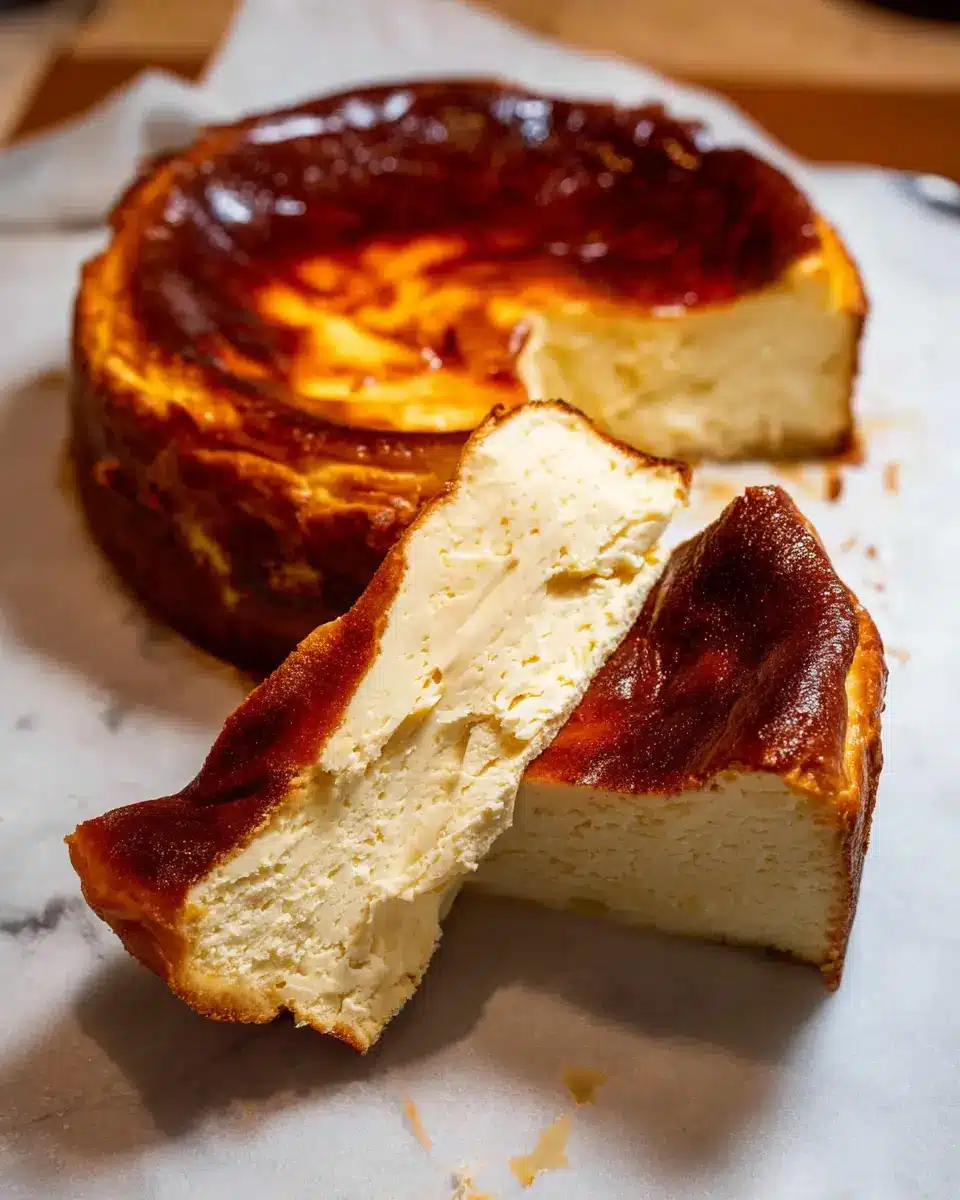
When savoring your Basque Cheesecake, consider delightful pairings to enhance the experience. Fresh berries—like strawberries, blueberries, or raspberries—add a vibrant, tart contrast to the rich creaminess of the cheesecake. A dollop of whipped cream or a drizzle of honey can elevate sweetness levels without overpowering its unique flavor. For a refreshing touch, try serving slices with citrus fruit like oranges or a citrus-infused sauce. Enjoying the cheesecake alongside a well-made espresso or a herbal tea can also create a perfect balance, making each bite even more memorable.
Creative Presentation Ideas
Elevate your Basque Cheesecake visually by choosing simple yet elegant serving methods. Use parchment paper to line the serving dish, allowing its rustic edges to shine through. A light dusting of powdered sugar over the top can provide a beautiful touch, enhancing its appearance. For a fun twist, slice the cheesecake into bite-sized squares for a platter-friendly option, great for gatherings. Garnishing with a few mint leaves or edible flowers imparts a fresh, vibrant look. Remember, appealing presentation can make even the simplest desserts feel special and celebratory!
For additional visual inspiration, check out these creative plating ideas that can make your cheesecake stand out.
Time Breakdown for Basque Cheesecake
Preparation time
Getting started with your Basque Cheesecake takes about 20 minutes. You'll want to gather all your ingredients and prep your baking pan so everything flows smoothly.
Baking time
Once the batter is ready, place your cheesecake in the oven and bake it for 45 to 65 minutes. Keep an eye on that surface—it should be a beautiful deep golden brown!
Cooling time
After a delicious bake, let it cool for at least 2 hours at room temperature before refrigerating for a minimum of 8 hours. I promise the wait is worth it for that creamy perfection!
For more tips on achieving the ideal cheesecake texture, check out this guide on baking temperatures.
Nutritional Facts for Basque Cheesecake
Calories per serving
A slice of Basque Cheesecake packs approximately 398 calories, making it a richly indulgent dessert that balances flavor and satisfaction. Ideal for special occasions, each serving provides a treat that doesn’t skimp on taste.
Key nutritional components
This cheesecake is not only delightful but also offers key nutrients:
- Carbohydrates: 23g
- Protein: 7g
- Fat: 32g (of which 19g is saturated fat)
- Cholesterol: 146mg
The mix of cream cheese and whipping cream gives it a velvety texture while contributing to its nutritional profile. For more details on calories and nutrients, check out resources from NutritionData or similar sites. Enjoy this dessert in moderation to appreciate its richness fully!
FAQs about Basque Cheesecake
What makes Basque cheesecake different?
The Basque Cheesecake, often called "burnt" cheesecake, stands out due to its unique preparation and delightful flavor. Unlike traditional cheesecakes that are smooth and firm, this version has a rich, creamy texture combined with a slightly charred top, which enhances its flavor profile. The signature rustic appearance comes from the crinkled parchment and high baking temperature, giving it an unmistakable character.
Can I use low-fat ingredients?
While you might be tempted to lighten up the recipe, it's best to avoid low-fat ingredients entirely. Using full-fat cream cheese and whipping cream ensures that your Basque Cheesecake sets properly and boasts that rich, decadent flavor we're all after. Low-fat alternatives can compromise the texture and overall experience of this delicious dessert.
How to store leftovers?
If you have any leftovers (which is unlikely!), you can store your cheesecake in the refrigerator for up to five days. To keep it fresh, cover it loosely with plastic wrap. Interestingly, the flavors deepen over time, making the cheesecake even more delightful on day two! Just be sure not to freeze it, as that can alter its texture. Want to learn more about storing cheesecakes? Check out this handy guide.
Conclusion on Basque Cheesecake
If you haven't yet tried making Basque Cheesecake at home, now's the time! This dessert is not only incredibly delicious but also surprisingly easy to prepare, perfect for impressing friends or enjoying a cozy night in. Get ready to savor every bite of this creamy delight!
Basque Cheesecake
Equipment
- springform pan
Ingredients
- 750 g cream cheese room temperature, Philadelphia recommended
- 1 cup caster sugar regular white sugar okay too
- 1.25 cups whipping cream take out of fridge 15 minutes prior
- 0.25 cups flour plain/all-purpose
- 1 teaspoon vanilla bean extract or paste
- ¾ cups lightly whisked eggs at room temperature, ~4-5 large eggs
Instructions
Preparation
- Preheat oven to 220°C / 425°F (200°C fan) with the shelf in the middle of the oven.
- Press 2 x 40cm/16" sheets of scrunched up baking paper arranged in an "X" into a 20cm/8" springform pan, folding down over the rim.
- Beat the cream cheese in a large bowl on medium speed for 2 minutes, scraping down the sides as needed until smooth and lump-free.
- Add sugar and beat on low speed for 10 seconds.
- In a separate bowl, whisk about ¼ of the cream and all the flour until lump-free, then pour in the remaining cream while whisking and add vanilla.
- Pour the cream mixture into the cream cheese bowl while mixing on low. Slowly add the eggs, mixing just until combined.
- Pour the batter into the prepared pan, bang the pan on the counter to remove air bubbles, and bake for 45 minutes, checking for a deep golden color.
- Cool in the pan for at least 2 hours on the counter, then refrigerate uncovered for a minimum of 8 hours before serving.
- Release the sides of the springform pan and serve at room temperature or chilled.
Leave a Reply