
Introduction to the Perfect Baguette Recipe
Why homemade baguettes?
Making homemade baguettes offers a unique blend of satisfaction and flavor that store-bought bread simply can’t match. The aroma wafting through your kitchen as the baguettes bake is something you have to experience yourself. Plus, making your own bread allows you to control the ingredients, ensuring freshness and personalization for your dietary needs.
A brief history of the baguette
The baguette has a storied history deeply embedded in French culture. It is believed that the elongated loaf emerged in Paris during the 19th century, though its roots trace even further back. Today, it’s a symbol of French culinary artistry and is celebrated for its crispy crust and soft, airy interior. You can learn more about this fascinating history through resources like Smithsonian Magazine.
The joy of baking your own bread
There’s something magical about kneading dough and watching it rise, transforming simple ingredients into a beautiful loaf. Baking baguettes isn’t just a cooking task; it’s a creative ritual. Imagine slicing through that golden crust, revealing the tender crumb inside while enjoying it fresh out of the oven. With each bite, you indulge in your handiwork, showing off your skills to family and friends. Ready to start your own baking journey with this baguette recipe? Let’s dive into the details!
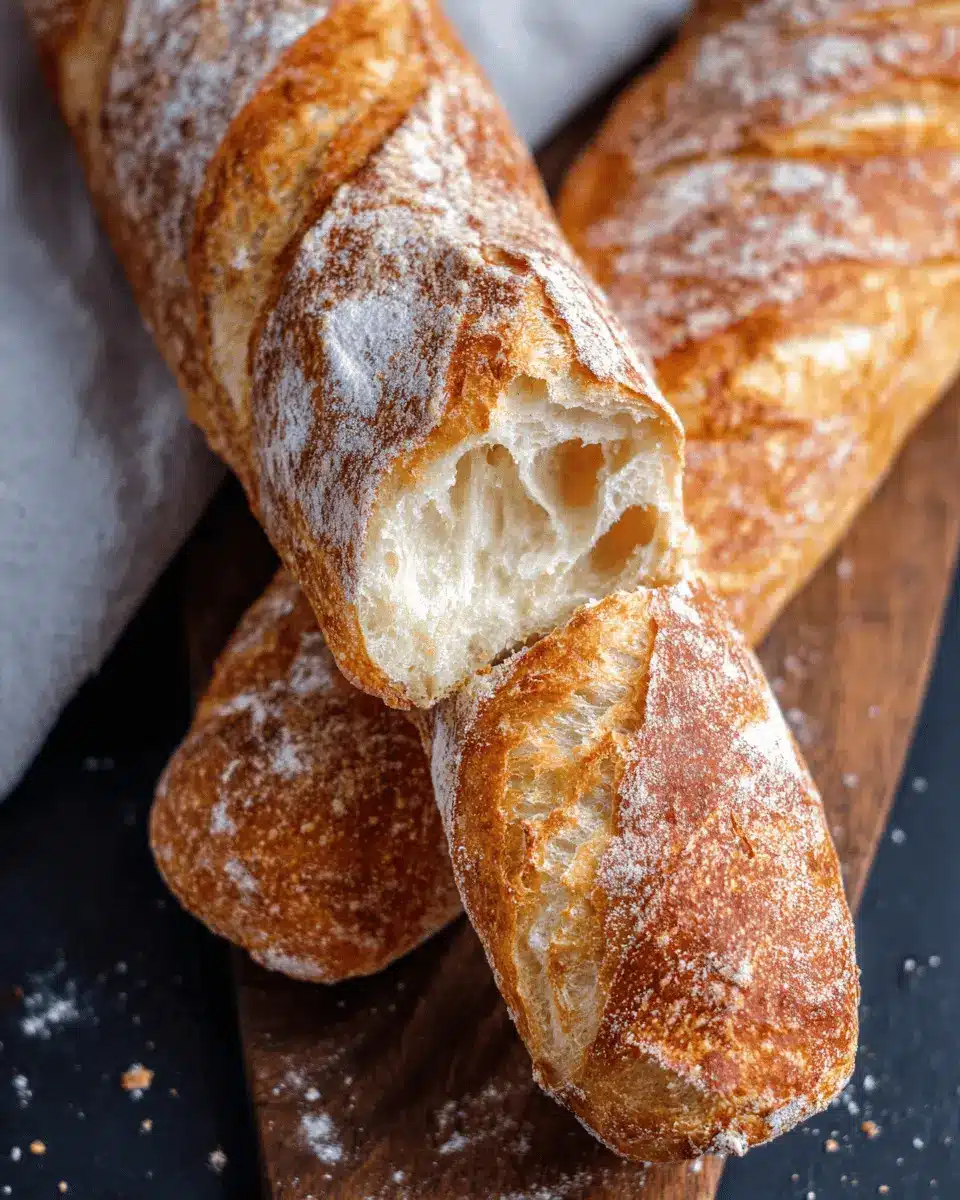
Ingredients for the Perfect Baguette
Essential ingredients
Creating the perfect baguette recipe starts with a handful of essential ingredients that work together harmoniously. You’ll need all-purpose flour, lukewarm water, yeast, and salt. Each of these plays a crucial role in developing the structure and flavor of your baguette.
- All-purpose flour: The backbone of your dough.
- Lukewarm water: Activates the yeast and helps create a moist dough.
- Yeast: The magic ingredient that makes your baguette rise.
- Salt: Adds flavor and strengthens gluten formation.
Quality matters: Choosing the right flour
When it comes to flour, not all are created equal. Opt for high-quality flour with a good protein content (around 11-12%) for the best texture. Brands like King Arthur or Bob’s Red Mill are excellent choices. They often yield a more consistent and flavorful dough, making your baguette delightfully chewy yet airy.
Alternatives for specific dietary needs
If gluten is a concern, consider using gluten-free all-purpose flour, although results may vary. Additionally, for a healthier twist, whole wheat flour can be half-substituted for all-purpose flour, providing a nuttier flavor and added fiber. Just remember to adjust the water slightly, as whole wheat flour absorbs more moisture.
For more insights on baking with alternative ingredients, check out this guide.
Step-by-Step Preparation of the Perfect Baguette
Making the perfect baguette at home may sound daunting, but with a little patience and the right guidance, you can turn out this classic French delight that will impress friends and elevate your culinary game. Let’s walk through the steps together!
Preparing the Dough the Night Before
Start your baguette journey the night before you plan to bake. In a large mixing bowl, combine six cups of all-purpose flour, three cups of lukewarm water, two teaspoons of yeast, and two teaspoons of salt. First, mix the dry ingredients, then add the water. Stir until the dough comes together; it will be quite sticky. Cover the bowl with plastic wrap and let it rest on the countertop for 12-20 hours. This long fermentation allows the flavors to develop and will result in a deliciously crusty baguette.
For a visual guide, check out a helpful tutorial here that complements this baguette recipe.
What to Expect in the Morning
Wake up to a magical sight! Your dough should be wet, sticky, and bubbly, indicating that the yeast has done its job. Generously flour your hands and a baking sheet to prevent sticking as you prepare to shape the dough. If it feels too sticky, don’t hesitate to add a little more flour to your hands.
Shaping Your Baguettes
Now comes the fun part—shaping your baguettes! Gently pull the dough from the bowl and form it into a baguette shape. You can easily create two to three baguettes from this recipe. The key is to handle the dough gently to preserve those lovely air pockets. Place your shaped dough on the floured baking sheet and sprinkle a little more flour on top.
Use a sharp knife to score the top of each baguette; this helps in controlling the rise during baking. Cover with a towel and allow the dough to rise in a warm place for 1-2 hours. This second rise is crucial for achieving that airy texture inside the baguette.
The Crucial Second Rise
As your baguette shapes rise, keep in mind that patience is vital to perfecting this bread. You want them to puff up to roughly one and a half times their original size. This is the moment when all the air bubbles will expand, creating that signature baguette texture. Just don’t forget about them—set a timer if you need to!
Baking to Perfection with Steam
Preheat your oven to 450°F. To create the crispy crust that you adore in traditional baguettes, place a deep baking pan filled with hot water on the lower shelf of your oven. This steaming effect will give your baguette that coveted crunch on the outside. Place the baguettes on the middle rack and bake them for about 30 minutes or until golden brown.
And just like that, you’ve mastered the art of baking a baguette! Enjoy with some hearty soups or as the base for a delightful sandwich.
By paying careful attention to each step, you're not just following a baguette recipe; you're embarking on a flavorful journey that will surely earn you a spot in any bread lover’s heart. Happy baking!
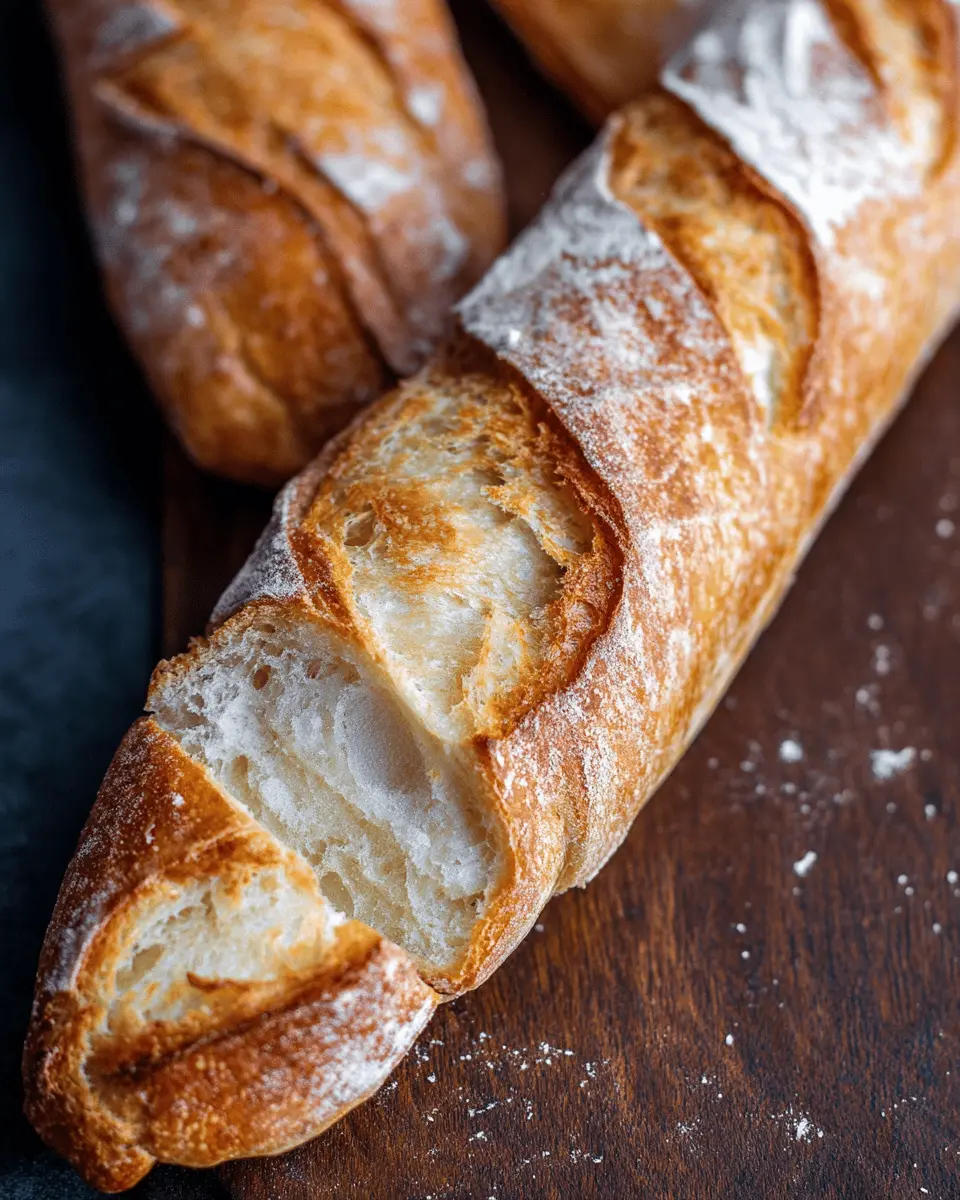
Variations on the Classic Baguette Recipe
Herb-infused baguettes
Elevate your classic baguette by stirring in chopped fresh herbs like rosemary, thyme, or basil. These additions not only enhance the flavor but also add a beautiful green speckle to your bread. Imagine dunking a slice into a bowl of olive oil!
Whole grain baguettes
For a hearty twist, swap out some of the all-purpose flour for whole grain varieties such as whole wheat or spelt. This variation not only boosts the nutritional profile of your baguette but also offers a nuttier flavor that pairs well with a range of toppings.
Baguette sandwiches: Ideas for filling
Turn your freshly baked baguette into the ultimate sandwich! Fill it with slices of Turkey Bacon, creamy avocado, and crisp lettuce for a satisfying lunch. For a gourmet touch, consider Chicken Ham with melted cheese and fresh arugula. The options are endless!
Ready to try out these variations on your baguette recipe? Enjoy baking!
Cooking Tips and Notes for the Perfect Baguette
Tools that make it easier
To master this baguette recipe, consider investing in a few essential tools. A sturdy bench scraper makes it easier to handle sticky dough, while a baking stone ensures even heat distribution for that perfect crust. Don’t forget a sharp lame or razor blade for scoring—this helps in achieving those beautifully airy pockets inside the bread.
Common mistakes to avoid
Many bakers rush the process. Avoid skipping the essential fermentation time, which helps develop flavors. Don't bake directly on a cold baking sheet, as this can lead to uneven cooking. Lastly, don’t skip the steam! Using a pan with water creates the crispy exterior we all love.
Why patience pays off
Good things come to those who wait! Allowing your dough to rise and ferment slowly enhances the baguette’s flavor and texture. Trust the process; it’s during these resting periods that the gluten strengthens, leading to a light and airy crumb. So take a deep breath and enjoy the journey. After all, the best things in life are worth the wait!
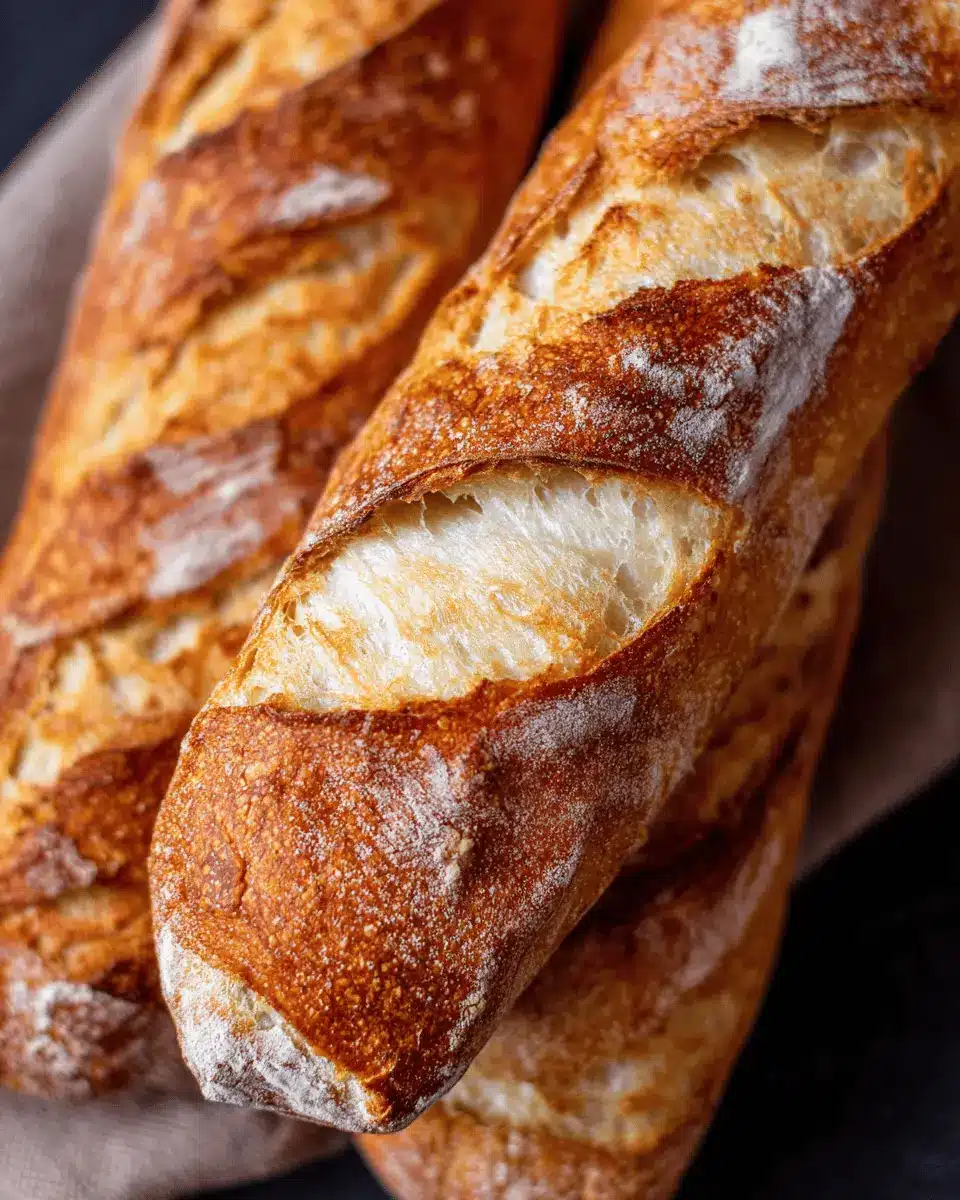
Serving Suggestions for Fresh Baguettes
Freshly baked baguettes are a culinary delight that can elevate any meal. Here are a few fun serving suggestions to make the most of your baguette recipe.
Enjoying with Spreads and Dips
One of the simplest pleasures is enjoying slices of warm baguette with an array of spreads. Try pairing it with flavorful hummus, homemade tapenade, or a zesty olive oil infused with balsamic vinegar. These dips enhance the crusty texture beautifully!
The Ultimate Cheese Pairings
A baguette shines when accompanied by a variety of cheeses. Opt for creamy brie, sharp cheddar, or tangy goat cheese. Serve with slices of ripe fruits like figs or pears for a stunning cheese board that's perfect for entertaining.
Baking for Brunch or Dinner
Make your meal memorable by serving sliced baguette alongside dishes like creamy soups or hearty salads. It’s the perfect vessel for soaking up every last drop of deliciousness. Plus, it's an excellent addition to brunch spreads—think garlic butter toast topped with Turkey Bacon or a savory breakfast casserole.
Experiment with these ideas, and you’ll find that fresh baguettes can complement virtually any meal!
Time Breakdown for the Perfect Baguette
Preparation time: 15 minutes
Getting everything mixed together is quick! Just ten to fifteen minutes will do for combining your ingredients.
Rising time: 12-20 hours
This long rise allows the flavors to deepen, making your homemade baguette recipe absolutely delightful. A little patience pays off big time!
Baking time: 40 minutes
Baking time is essential for that perfect crust and aroma. After preheating, you'll find your baguette ready to impress in just about 30 minutes.
Total time: 13-21 hours (including rising)
While most of that is hands-off, you’ll be rewarded with fresh, crunchy baguettes. Perfect for any meal! 📆 Enjoy the whole process and the delicious results.
Nutritional Facts for the Perfect Baguette
When diving into the world of homemade bread, understanding the nutritional profile of your baguette recipe can elevate your baking experience. Here are some key facts to keep in mind:
Calories per serving
A single serving of baguette (about 1 ounce) contains roughly 80 calories, making it a reasonable option for a filling yet light side.
Carbohydrates
Each serving is packed with about 15 grams of carbohydrates, providing a quick energy boost, perfect for your busy day ahead.
Protein and fiber content
You’ll find around 2.5 grams of protein and 0.5 grams of fiber in each serving. While it’s not a fiber powerhouse, it does contribute to your daily protein needs, especially when paired with hearty toppings like turkey bacon or chicken ham.
The pivot to making your own baguettes not only embraces wholesome ingredients but also opens the door to fun culinary experiments. Consider exploring these bread-making tips to enhance your baking journey!
FAQs about the Perfect Baguette Recipe
Can I freeze baguettes?
Absolutely! If you've baked more baguettes than you can eat, freezing them is a fantastic option. Once cooled completely, wrap each baguette tightly in plastic wrap, followed by aluminum foil. You can store them for up to three months. When you're ready to enjoy, simply thaw at room temperature and reheat in the oven for that fresh, crispy crust.
How can I make my baguettes crustier?
To achieve that golden, crunchy crust, consider adding steam to your baking process. As mentioned in the instructions, placing a pan with hot water on the lower rack of your oven creates moisture that enhances crust formation. You can also try lightly misting the dough with water before inserting it into the oven for extra crispiness.
What should I do if my dough doesn't rise?
If your dough fails to rise, don’t panic! This typically happens due to inactive yeast. Ensure your yeast is fresh and activated by testing it in lukewarm water before mixing with other ingredients. If the dough remains stubborn, you can try moving it to a warmer area to encourage rising. A draft-free environment is ideal for yeast activity!
For more tips on perfecting your baguette recipe, check out resources like King Arthur Baking for expert guidance. Happy baking!
Conclusion on Making Your Own Baguette
The satisfaction of homemade bread
There's truly nothing like the satisfaction of pulling a golden, crusty baguette from the oven. The aroma fills your kitchen, creating an inviting atmosphere. That sense of accomplishment is something every baker cherishes!
Encouragement to try your own variations
Don’t hesitate to experiment! Whether you want to add herbs, cheese, or even spices to your baguette recipe, the possibilities are endless. Personalizing your bread can lead to delightful surprises.
Final thoughts on the baguette journey
Embarking on the baguette-making journey is more than just baking—it's about connecting with the craft and enjoying the process. Embrace the challenges and celebrate the victories, because each loaf brings you closer to mastering this timeless art. Happy baking!
Baguette
Equipment
- Mixing Bowl
- Baking Sheet
- oven
- sharp knife
Ingredients
- 6 cups all-purpose flour Depending on a brand, you may need to add more flour.
- 3 cups lukewarm water
- 2 teaspoon yeast
- 2 teaspoon salt
Instructions
- The night before, combine all ingredients together. First mix the dry ingredients together and then add water. Mix the ingredients until the dough comes together. Cover it with a plastic wrap and let it sit for 12-20 hours on the countertop.
- The following day, the dough should be wet, sticky and bubbly. Generously flour your hands and the baking sheet.
- Take the dough (if it sticks, apply more flour to your hands) and form a baguette shape. You will easily get at least 2-3 baguettes. Place it on a baking sheet and sprinkle a generous amount of flour on it. Score the top with a sharp knife and cover it with a towel. Let the dough rise in a warm place for 1-2 hours.
- Preheat the oven to 450 °F. Fill a deep baking pan with 2 cups of hot boiled water, and place it on the lower rack, inside your oven. Place the bread on the middle rack. Remove water from the oven after 10 minutes. Keep on baking the bread for another 30 minutes or until golden crispy brown.




Leave a Reply