
Introduction to Baked Japanese Cheesecake
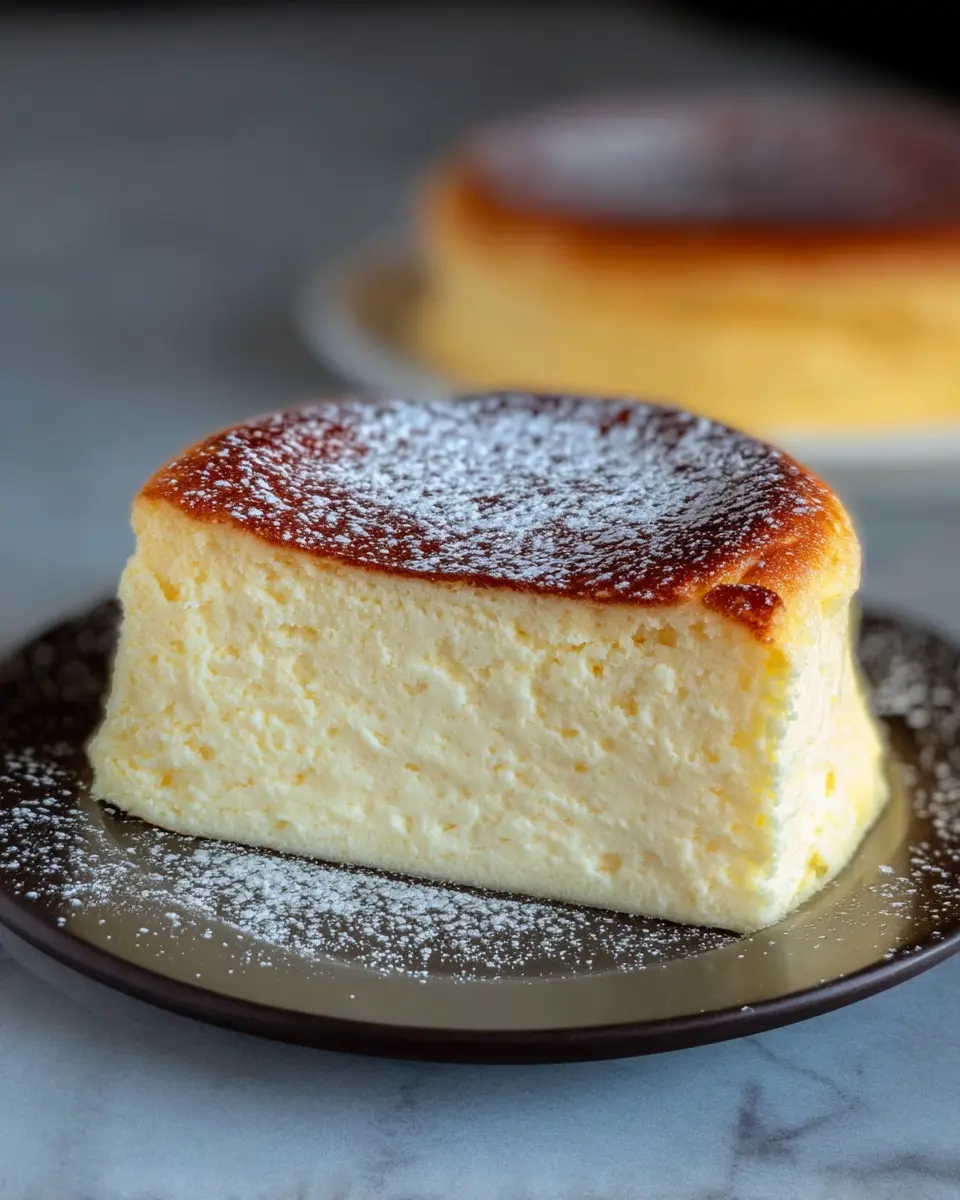
If you’ve ever tasted a Baked Japanese Cheesecake, you know it’s a unique experience unlike any other dessert. This fluffy, light confection whispers sweet nothings to your taste buds, combining the tangy richness of cream cheese with an ethereal texture that leaves you wanting more. What's the secret behind its irresistible charm?
What Makes Baked Japanese Cheesecake So Special?
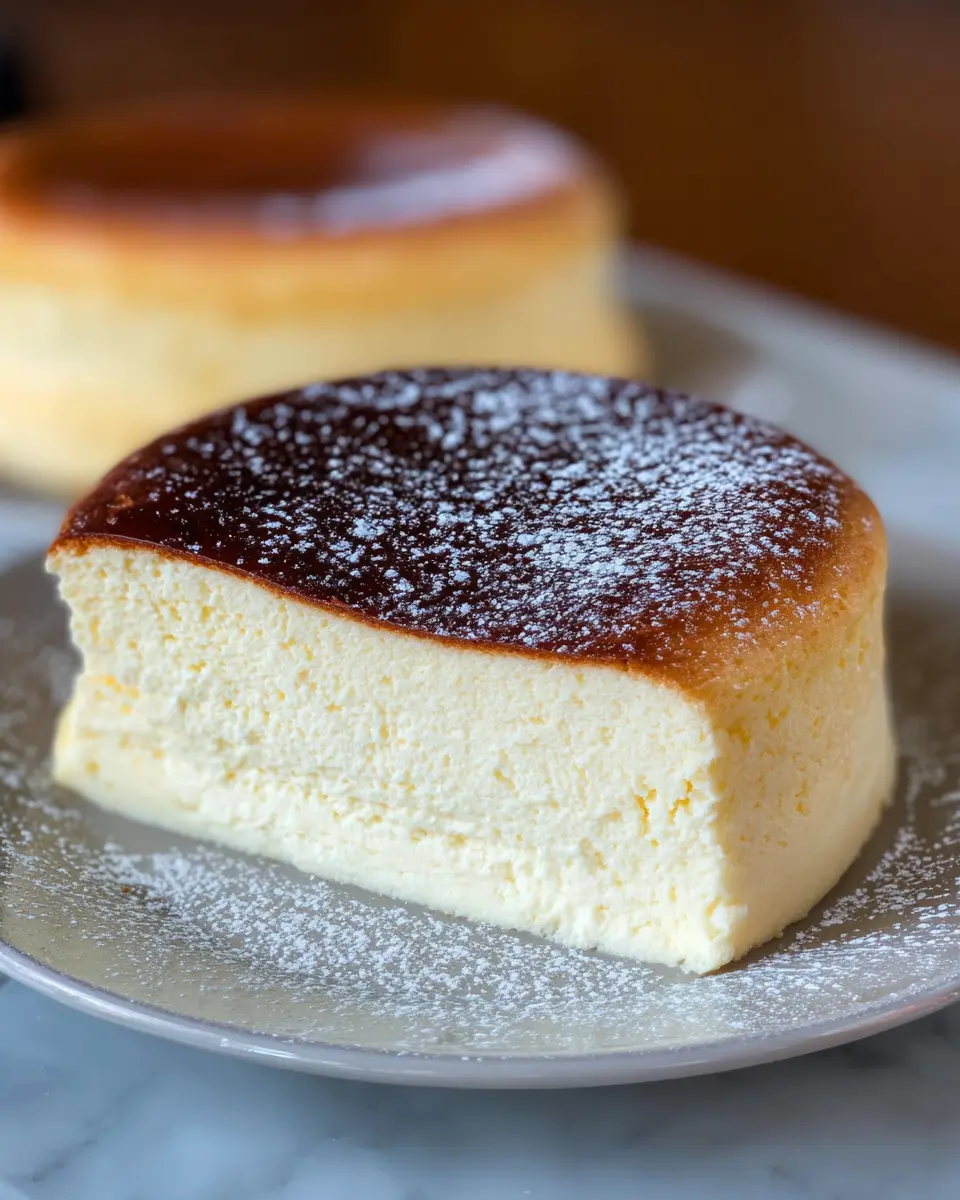
Baked Japanese cheesecake, often referred to as soufflé cheesecake, stands out for its delightful balance of flavors and textures. Unlike traditional cheesecakes, which can be dense and heavy, this treat is renowned for its airy quality, achieved by incorporating whipped egg whites into the batter. The result? A light-as-air slice that jiggles playfully with every bite.
This cake often has a subtly sweet flavor profile, allowing the taste of the high-quality ingredients—like rich cream cheese and fresh eggs—to shine through. Many aficionados rave about its versatility; you can enjoy it as is, or dress it up with toppings like fresh fruits, matcha, or a drizzle of honey for that extra touch.
If you're curious about making this ambrosial delight at home, you're in the right place! Dive into our Baked Japanese Cheesecake Recipe for a step-by-step guide that’s as enjoyable as the cake itself.
Ingredients for Baked Japanese Cheesecake
When preparing your Baked Japanese Cheesecake, it's essential to choose the right ingredients. Here's what you need to whip up this delightful dessert:
Essential ingredients for the cake batter
- Egg Whites: 5 egg whites, which provide the fluffy texture.
- Cream of Tartar: ¼ teaspoon helps stabilize your egg whites for a nice meringue.
- Fine Sugar: ¼ cup (50g) to sweeten the meringue.
For the cake batter:
- 5 egg yolks for richness.
- 8 oz (1 bar) of cream cheese, softened for creaminess.
- ¼ cup (55g) butter, melted for a rich flavor.
- ½ cup (125ml) milk to create a smooth batter.
- ¼ cup (50g) fine sugar for sweetness.
- 2 tablespoon (15g) cornstarch to give the cake its unique texture.
- ¼ cup (34g) flour (substitute with rice flour for gluten-free).
- Optional flavorings such as vanilla extract, lemon juice, or matcha powder for a twist.
Equipment you’ll need
To achieve the lofty heights and beautiful texture of your Baked Japanese Cheesecake, gather the following tools:
- Mixing bowls: For separating your egg yolks and whites.
- Electric mixer: Essential for whipping up those egg whites into stiff peaks.
- Saucepan: To melt your cream cheese and butter.
- Baking pan: You can use an 8-inch or two 6-inch pans.
- Parchment paper: To line your baking pans and prevent sticking.
For more tips on how to bake cheesecakes, check out this guide from Serious Eats. Happy baking!
Step-by-Step Preparation of Baked Japanese Cheesecake
Separate the Eggs
First things first, gently crack open five large eggs and separate the egg yolks from the whites. Place the yolks in one mixing bowl and the whites in another, preferably a clean mixer bowl. This separation is crucial because the egg whites will help give your cheesecake that fluffy, airy texture we all love.
Create the Smooth Batter
Next, in a saucepan over low heat, combine 8 oz of cream cheese, ¼ cup of butter, and ¼ cup of fine sugar. Stir until everything is beautifully melted and blended into a smooth mixture. Once it looks heavenly, take it off the heat and gently fold in the egg yolks. This step is all about keeping that batter light and airy. Add in the cornstarch and flour, mixing just enough to remove lumps.
Whip the Egg Whites into Stiff Peaks
Now, let’s bring some muscle to the mixing! Using a hand mixer, beat those egg whites until they form stiff peaks. Start on medium speed, then increase gradually. Don’t rush this step; it can take around 5-7 minutes. Adding ¼ teaspoon of cream of tartar will help stabilize your egg whites and make them more robust for folding later.
Combine the Ingredients Carefully
With both your batter and egg whites ready, it’s time to combine. Start by adding just a dollop of the whipped egg whites to the batter and mix gently to lighten the batter. Then, carefully fold in the remaining egg whites in two or three additions. Be cautious here; you want to avoid deflating that puffiness you just created! The goal is a well-mixed yet airy batter.
Prepare the Baking Pan and Oven
While your batter is resting, preheat the oven to 330°F (165°C). Now, let’s prepare your baking pans. You can use one 8-inch or two 6-inch pans—your choice! Line the bottoms with circular parchment paper and the sides with strips, ensuring easy removal after baking. To create a bain-marie, place a deep rectangular baking dish filled with hot water in the oven.
Bake Using the Bain-Marie Method
Pour the batters into the prepared pans and bake them in the bain-marie for about 25 minutes. Monitoring is key here; if the cheesecake isn't rising, your oven temperature might need adjustments. After 25 minutes, crack the oven door slightly and lower the temperature to around 245-265°F (120-130°C) for another 45 minutes. This method helps the cheesecake rise evenly without cracking.
Cool and Flip the Cheesecake
Once baked to perfection, turn off the oven and let your cheesecake sit inside for around 10 minutes. This gradual cooling process helps prevent cracks. Then, using parchment, carefully flip it upside down onto a plate. It should have a gorgeous golden top, perfect for your desired presentation! You can serve it warm, or chill it for later, though the texture will change after refrigeration.
And there you have it! Enjoy the delightful journey of creating your own Baked Japanese Cheesecake. Trust me, your friends and family will be envious when they get a taste of your delicious creation. For more inspiration, check out resources like Serious Eats for expert tips on baking techniques. Happy baking!
Variations of Baked Japanese Cheesecake
Adding Tropical Flavors
Elevate your Baked Japanese Cheesecake by incorporating tropical flavors! Think luscious mango puree or passion fruit pulp swirled into the batter for a refreshing twist. You can also add shredded coconut for extra texture, which complements the soft, fluffy nature of the cheesecake. Imagine indulging in a slice that transports your taste buds to a sunny beach — pure bliss!
Gluten-Free Options
For those following a gluten-free diet, worry not! You can easily adapt this Baked Japanese Cheesecake Recipe by substituting all-purpose flour with sweet rice flour, also known as Mochiko. This gives your cheesecake the same delightful texture while keeping it gluten-free. Be sure to check that your other ingredients, like baking soda and cornstarch, are also gluten-free for a worry-free baking experience!
Incorporate these simple variations to make your cheesecake uniquely yours while enjoying the fantastic fluffiness that the base recipe provides! If you're looking for more inspiration, check out this wonderful guide on flavor pairings.
Cooking Tips and Notes for Baked Japanese Cheesecake
Perfecting Egg White Peaks
Achieving perfect stiff peaks for your meringue is crucial for a fluffy Baked Japanese Cheesecake. Start with clean, dry mixing bowls and utensils; even a tiny bit of fat can hinder your egg whites from whipping properly. Gradually increase the speed of your mixer—begin at medium and work your way up to high. As you see the whites turning frothy, add cream of tartar or a splash of vinegar to stabilize them. Finally, incorporate the sugar slowly, ensuring each addition is well blended before adding more. This hands-on approach makes a world of difference in your cheesecake's texture.
Avoiding Common Baking Mistakes
Baking can be tricky! Ensure your ingredients are at room temperature for better mixing and a more cohesive batter. When combining the egg whites with your cake batter, gentle folding is key—this preserves the airiness. Over-mixing can result in a dense cake, so take your time to incorporate the ingredients without losing that light fluffiness. Lastly, keep an eye on your oven's temperature. Ovens can be temperamental, so invest in an oven thermometer to maintain the ideal heat for your Baked Japanese Cheesecake Recipe. Don't forget to check out resources like King Arthur Baking for more baking insights!
Serving Suggestions for Baked Japanese Cheesecake
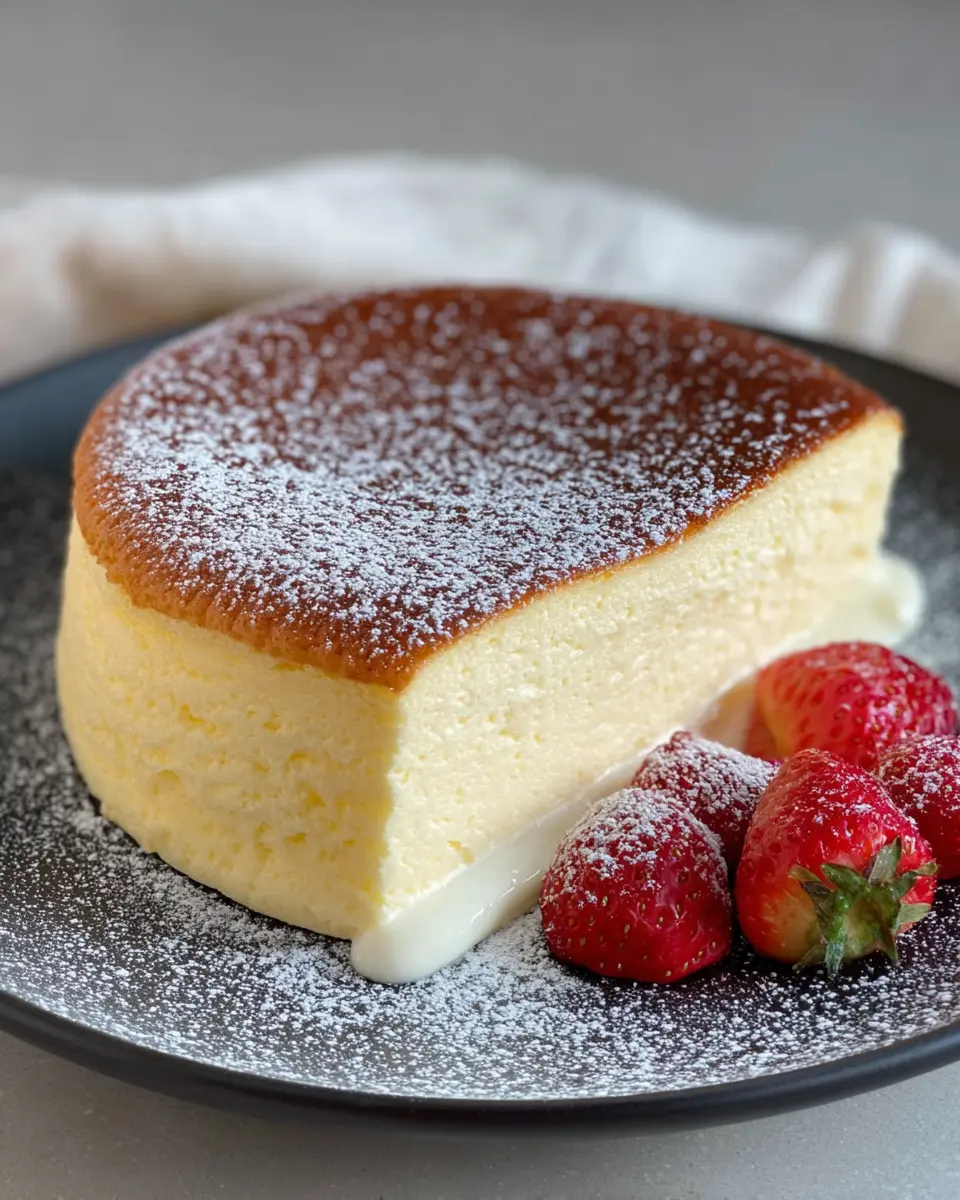
When you've mastered the Baked Japanese Cheesecake Recipe, the fun doesn’t have to stop there! Elevate your cheesecake experience with delightful toppings that not only enhance flavor but also elevate its presentation.
Toppings that Enhance Flavor and Presentation
Consider these delicious additions to your cheesecake for a stunning finish:
- Fresh Fruits: Top your cheesecake with ripe strawberries, blueberries, or peaches for a vibrant burst of flavor.
- Matcha Powder: A light dusting of matcha adds an earthy flavor and a beautiful green hue.
- Honey or Maple Syrup: A drizzle of honey or maple syrup lends natural sweetness and a glossy finish.
- Confectioner’s Sugar: A light sprinkle can add a touch of elegance and sweetness without overwhelming the delicate flavor of the cheesecake.
Feel free to get creative! Each topping can bring a unique twist, making your dessert a personalized delight. Enjoy experimenting with flavors and textures!
Time Breakdown for Baked Japanese Cheesecake
Preparation time
The Baked Japanese Cheesecake Recipe takes approximately 30 minutes to gather ingredients and prepare your batter. This stage includes separating eggs, mixing your cake batter, and whipping the egg whites into stiff peaks.
Baking time
Once your batter is ready, you'll need about 1 hour and 10 minutes total for baking. This includes an initial bake at a higher temperature, followed by a lower temperature bake to ensure a lovely, fluffy texture.
Total time
All in all, set aside about 1 hour and 40 minutes from start to finish. With a little patience and attention to detail, you’ll soon enjoy a slice of this cloud-like cheesecake, perfect for any occasion!
Feel free to check out more details about the Baked Japanese Cheesecake Recipe in our full article!
Nutritional Facts for Baked Japanese Cheesecake
When indulging in a slice of Baked Japanese Cheesecake, it helps to know what nutritional benefits you’re enjoying. Here’s a quick breakdown:
Calories
Each slice contains approximately 200-250 calories, making it a sweet treat without going overboard.
Fat Content
With about 15 grams of fat per serving, this cheesecake features rich cream cheese and butter, providing a luscious texture.
Sugar
This cheesecake has 12-15 grams of sugar per slice, offering just the right amount of sweetness to complement the savory cheese flavors.
Protein
Packed with around 6-8 grams of protein, thanks to the egg yolks and cream cheese, it provides a satisfying boost.
For more insights on healthy dessert options, check out Healthline's guide to dessert treats. Enjoy your baking journey with this delightful Baked Japanese Cheesecake Recipe!
FAQs About Baked Japanese Cheesecake
Why is my cheesecake not fluffy?
If your cheesecake is dense rather than light and fluffy, it might be due to over-mixing the batter. When incorporating the egg white meringue into the cream cheese mixture, be gentle! This folding technique helps to retain the airiness that gives your Baked Japanese Cheesecake Recipe its signature light texture. Additionally, make sure your egg whites reach stiff peaks for the best results.
Can I make this cheesecake in advance?
Absolutely! You can prepare your cheesecake a day ahead of time. Just make sure to let it cool completely before storing it in the refrigerator. This allows the flavors to meld, making it even more delicious for your eventual serving!
How do I store leftover cheesecake?
To keep your leftovers fresh, cover the cheesecake with plastic wrap or place it in an airtight container. Store it in the fridge for up to three days. For longer storage, you could freeze individual slices, just make sure to wrap them well to prevent freezer burn.
For more tips on enhancing your cheesecake experience, check out this article on Japanese dessert techniques!
Conclusion on Baked Japanese Cheesecake
In summation, this Baked Japanese Cheesecake Recipe invites you to experience a delightful dessert that is both fluffy and rich. With its delicate texture and subtle sweetness, it's a perfect end to any meal. Pair it with fresh fruit or a dusting of powdered sugar for an elegant touch. Enjoy!
Baked Japanese Cheesecake Recipe
Equipment
- Mixing Bowl
- mixer
- pot
- baking pan
- parchment paper
- oven
Ingredients
Egg White Meringue (Stiff Peaks)
- 5 pcs egg whites
- ¼ teaspoon cream of tartar or vinegar or lemon juice
- ¼ cup fine sugar granulated sugar
Cake Batter
- 5 pcs egg yolks
- 8 oz cream cheese (1 bar)
- ¼ cup butter
- ½ cup milk
- ¼ cup fine sugar
- 2 tablespoon corn starch (magic ingredient)
- ¼ cup flour (use rice flour or Mochiko for gluten-free)
Optional toppings
- strawberries
- confectioner sugar
- fruits of your choice
- honey
- matcha powder
Instructions
Preparation Steps
- Separate 5 beautiful eggs. Place the egg yolks in a bowl, and the egg whites in a mixer bowl.
- Place the butter, cream cheese and ¼ cup of fine sugar into a pot over low-heat. Allow the ingredients to melt, and mix together into a beautifully smooth batter mixture.
- Remove the pot from heat, and add the egg yolks into the batter mixture. Mix well, but gently.
- Add the cornstarch and flour. Once again, mix well. Clumps should disappear.
- Add milk and optionally vanilla extract or other flavors of your choice.
- Mix well. The batter should be smooth and liquid-y. You won’t have to strain this mixture.
- Set aside the batter as you beat the egg whites into stiff peaks.
- Pre-heat oven to 330F. Prepare a bain-marie by putting water in a deep rectangular baking pan or dish. Place into the oven.
- Prepare baking pans— with these ingredients, you can bake one 8-inch cake or two 6-inch cakes. Line the bottoms of the baking pans with circular parchment paper, and the inside sides with rectangular strips of parchment paper.
- Once you achieve stiff peaks, place some beaten egg white into the batter and mix together. Repeat this two more times.
- Pour the batter into the rest of the egg whites and fold together without over-mixing.
- Pour the well-incorporated batter into the baking pan(s).
- Bake bain-marie style for 25 minutes at 330F, then lower the temperature and bake for an additional 45 minutes.
- Allow your cake to rest in the oven after baking for about 10 minutes.
- Remove from the oven, and then carefully flip the cake upside down onto a plate.
- Remove the wet parchment paper from the cake, replacing it if necessary.
- Serve the cake warm, or chill in the fridge before serving.

Leave a Reply